
Introduction
Understanding how your business measures and purchases electricity can make a significant difference when managing commercial energy costs.
One of the most important types of electricity metering used by UK businesses is the half-hourly electricity meter.
Unlike traditional meters that may rely on periodic meter readings, a half-hourly meter records electricity consumption at regular 30-minute intervals. This provides businesses and energy suppliers with much more detailed information about when electricity is being consumed.
Half-hourly metering can be particularly important for businesses with high electricity consumption, larger premises, or specific operational requirements. The data can help businesses understand consumption patterns, identify periods of high demand, and make more informed energy procurement and management decisions.
However, half-hourly electricity can also be more complex than standard business electricity arrangements. Businesses need to understand their meter type, contract requirements, pricing structure, and responsibilities before choosing an energy contract.
In this guide, we’ll explain what half-hourly electricity meters are, how they work, who uses them, how they differ from standard meters, what MPANs have to do with them, and how half-hourly metering can affect business energy procurement.
Key Takeaways
Before we explore half-hourly electricity in detail, here are the main points to remember:
- A half-hourly meter records electricity consumption in 30-minute intervals.
- Detailed consumption data can help businesses understand when and how they use electricity.
- Half-hourly metering is particularly relevant to larger or higher-consuming businesses.
- Some businesses may be required to use half-hourly metering depending on their electricity consumption and supply arrangements.
- Half-hourly electricity contracts can involve different pricing and procurement considerations.
- Half-hourly consumption data can support energy efficiency and procurement decisions.
- Businesses should understand their meter and MPAN details before comparing electricity contracts.
What Is a Half-Hourly Electricity Meter?
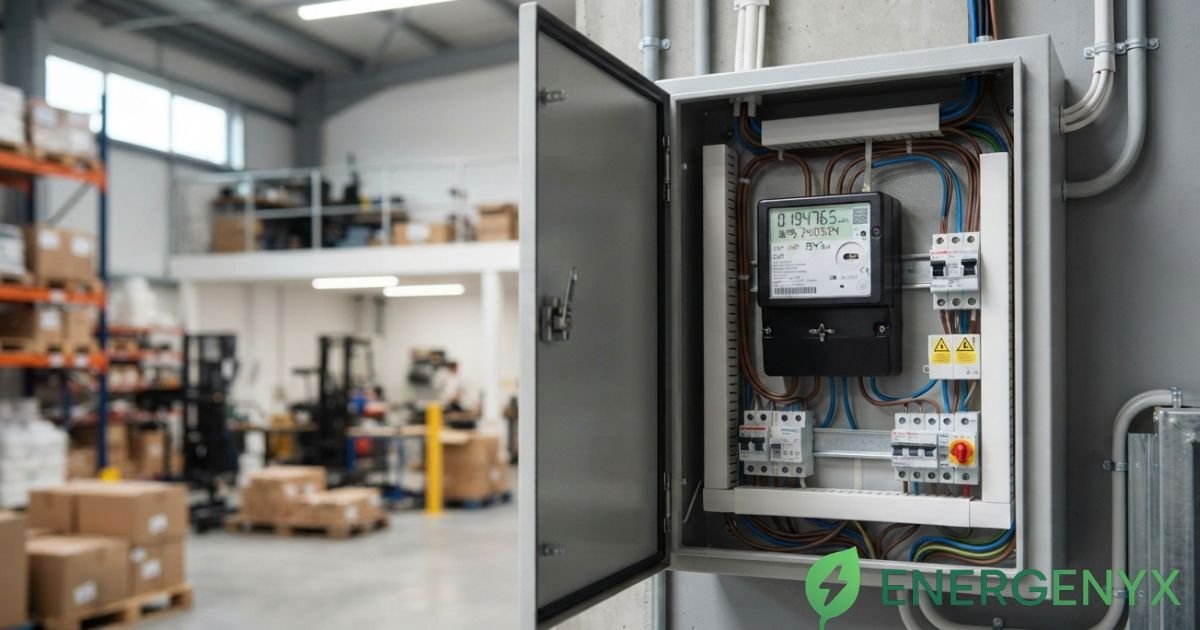
A half-hourly electricity meter is a type of business electricity meter that records electricity consumption in 30-minute intervals.
Instead of simply providing a cumulative reading, the meter produces detailed information showing how much electricity was consumed during each half-hour period.
For example, a business could have consumption data showing:
| Time | Electricity Consumption |
|---|---|
| 08:00–08:30 | 18 kWh |
| 08:30–09:00 | 22 kWh |
| 09:00–09:30 | 27 kWh |
| 09:30–10:00 | 25 kWh |
| 10:00–10:30 | 21 kWh |
This type of information provides a much clearer picture of the business’s electricity usage throughout the day.
For an organisation operating machinery, refrigeration, heating, lighting, or other energy-intensive equipment, understanding these patterns can be particularly useful.
Why Are They Called Half-Hourly Meters?
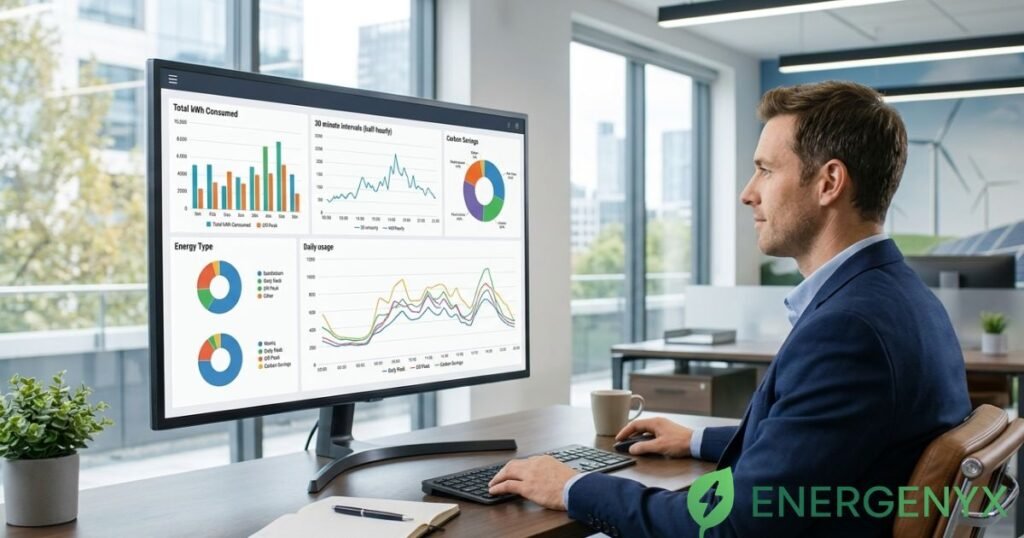
The name comes from the frequency at which electricity consumption is measured.
A half-hourly meter records data in 30-minute intervals, resulting in up to 48 consumption readings or settlement periods each day. If you want to get more info about settlements and consumptions of half hourly meter you can visit Elexon.co.uk.
Over a full year, this produces a substantial amount of information about a business’s electricity consumption.
This detailed data can help businesses identify:
- Peak consumption periods
- Overnight usage
- Weekend consumption
- Seasonal changes
- Unusual consumption patterns
- Changes caused by operational activity
The more detailed information can therefore support better energy management.
How Do Half-Hourly Electricity Meters Work?
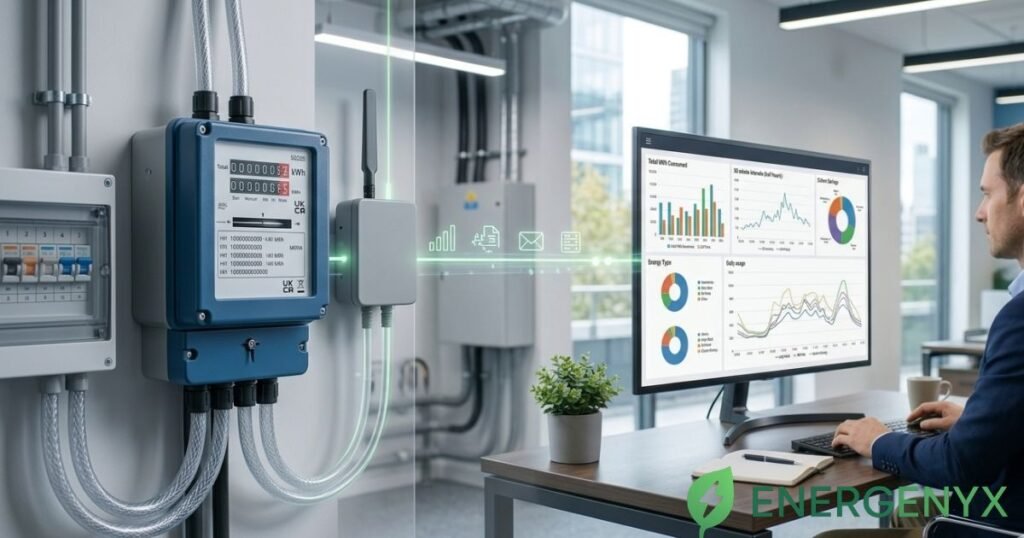
A half-hourly meter measures the electricity consumed by a business and records that information at 30-minute intervals.
The data is then communicated through the appropriate metering and data collection systems so that it can be used for billing, settlement, monitoring, and analysis.
The basic process can be understood as:
Electricity Consumption → Meter Records Data → Data Collection → Supplier/Billing Systems → Business Energy Bill
The exact technical arrangements can vary depending on the meter, supply, and metering configuration.
For businesses, the important point is that half-hourly metering provides much more detailed information than simply receiving an occasional meter reading.
What Information Does a Half-Hourly Meter Provide?
A half-hourly meter can provide information about electricity consumption across different periods of the day.
This allows businesses to understand their energy profile rather than looking only at total annual consumption.
For example, a manufacturing business might discover that electricity consumption increases substantially when production begins.
A retail business could identify higher consumption during opening hours.
A warehouse might find that refrigeration or lighting systems continue consuming electricity outside normal operating hours.
This information can help businesses investigate whether their consumption patterns could be improved.
Who Uses Half-Hourly Electricity Meters?
Half-hourly metering is commonly associated with larger commercial and industrial electricity users.
Examples can include:
- Manufacturing facilities
- Large offices
- Warehouses
- Supermarkets
- Hotels
- Hospitals
- Universities
- Shopping centres
- Industrial facilities
- Large retail premises
However, the exact requirements depend on the electricity supply and applicable industry rules.
Businesses should therefore confirm their metering arrangements rather than assuming that their size alone determines whether they need a half-hourly meter.
You can also read our article on : Business Gas Suppliers UK: How to Choose the Right Supplier (2026)
Who Needs a Half-Hourly Meter?
Historically, half-hourly metering has been particularly associated with larger electricity supplies.
In Great Britain, traditional mandatory half-hourly metering requirements have generally applied to certain high-consumption electricity supplies, commonly identified through maximum demand thresholds.
The rules and market arrangements can change, so businesses should check current guidance and speak with their supplier or metering provider if they are unsure about their obligations.
Even where half-hourly metering isn’t mandatory, a business may choose to use detailed metering because the consumption information can be useful for energy management.
How to Tell If Your Business Has a Half-Hourly Meter
If you’re unsure whether your business has a half-hourly electricity meter, there are several places you can check.
Check Your Energy Bill
Your business electricity bill may include information about:
- Meter type
- MPAN
- Meter readings
- Consumption
- Tariff
- Settlement information
Look for references to half-hourly supply or related metering information.
Check Your Meter
Some meters display information that can help identify their configuration.
However, the physical appearance of a meter isn’t always enough to determine its settlement or supply classification.
If you’re uncertain, contact your electricity supplier or metering agent.
Ask Your Energy Supplier
Your supplier should be able to confirm the type of electricity meter associated with your business premises.
Have your account details and MPAN available when contacting them.
Check Your Energy Data
If your business receives detailed electricity consumption data in regular intervals, this may indicate that it has half-hourly metering.
Your supplier or energy consultant can help interpret the information if you’re unsure.
What Is an MPAN?
MPAN stands for Meter Point Administration Number.
It is a unique identifier associated with an electricity supply point.
Your MPAN is important when dealing with electricity suppliers because it helps identify the electricity supply for your premises.
Businesses may encounter MPAN information when:
- Switching electricity suppliers
- Comparing business electricity contracts
- Setting up a new supply
- Checking meter information
- Discussing a contract with an energy broker
- Managing multiple business premises
It’s important not to confuse an MPAN with the physical electricity meter itself.
The MPAN identifies the supply point, while the meter records electricity consumption.
Half-Hourly MPANs
Businesses with half-hourly electricity supplies may have MPAN information associated with their half-hourly settlement arrangements.
This can be relevant when requesting energy quotations because suppliers may require accurate supply information before providing a commercial electricity price.
When comparing business electricity, having accurate information such as your MPAN, annual consumption, and contract details can make the quotation process more straightforward.
Half-Hourly vs Standard Business Electricity Meters
One of the easiest ways to understand half-hourly metering is to compare it with more traditional business electricity arrangements.
| Feature | Half-Hourly Meter | Standard Business Meter |
|---|---|---|
| Consumption data | 30-minute intervals | Less frequent readings/data |
| Usage visibility | Detailed | Generally less detailed |
| Common users | Larger/high-consuming businesses | Many small and medium businesses |
| Energy analysis | More detailed | More limited |
| Procurement considerations | Often more complex | Generally simpler |
| Demand analysis | More detailed | Less granular |
The exact arrangements vary between businesses and electricity supplies, but the key difference is the level of consumption information available.
Why Does Detailed Consumption Data Matter?
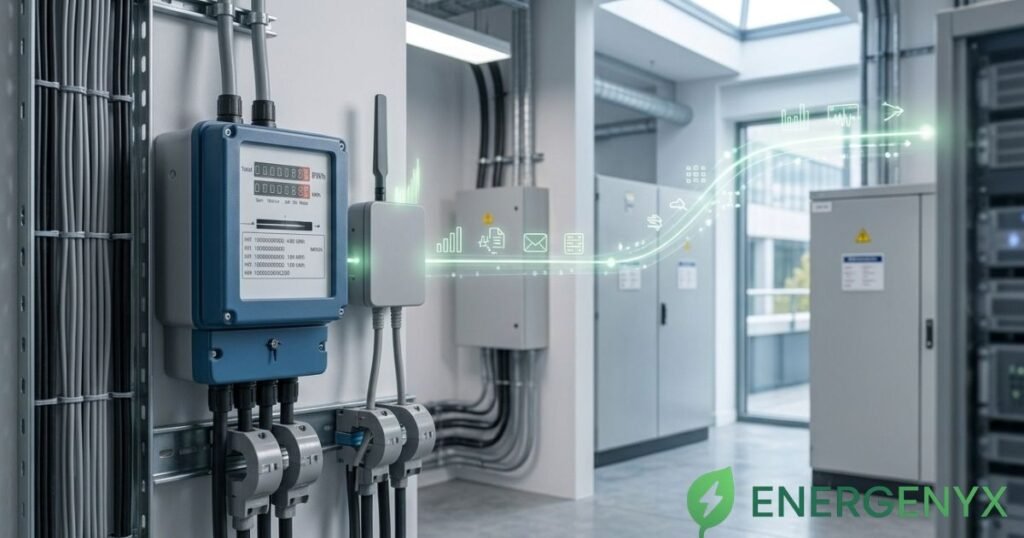
Knowing how much electricity your business uses is useful.
Knowing when your business uses it can be even more valuable.
For example, suppose a company discovers that a significant proportion of its electricity consumption occurs outside normal operating hours.
That information could prompt an investigation into:
- Equipment being left on
- Heating or cooling schedules
- Lighting controls
- Refrigeration systems
- Production processes
- Standby equipment
The business can then investigate whether changes could reduce unnecessary consumption.
Half-Hourly Electricity and Business Energy Procurement

Half-hourly data can also be useful when developing a business energy procurement strategy.
Instead of looking only at annual electricity consumption, businesses can analyse their consumption profile.
This can help them understand:
- When demand is highest
- How consumption changes during the week
- Seasonal patterns
- Operational demand
- Potential efficiency opportunities
For larger businesses, this information can form part of a wider procurement strategy.
It may also help energy professionals assess the suitability of different contract structures and purchasing approaches.
If you want more info you can also read our article on : Out-of-Contract Business Energy Rates Explained: A Complete UK Guide
Why Half-Hourly Metering Is Important for Larger Businesses
For a business using relatively small amounts of electricity, detailed consumption data may not significantly change its procurement process.
For a large energy user, however, the situation can be very different.
A factory, hotel, supermarket, or large office may consume substantial quantities of electricity every day.
Small changes in consumption patterns can therefore have a meaningful impact on overall energy costs.
Half-hourly data provides the visibility needed to analyse those patterns more effectively.
How Is Half-Hourly Electricity Charged?
Half-hourly electricity pricing can be more complex than a simple business electricity tariff.
The total amount a business pays can depend on several components, including the electricity unit rate, standing charges, network-related charges, taxes, and other applicable costs.
For businesses with half-hourly supplies, consumption data can provide a more detailed picture of when electricity is being used.
This matters because electricity demand and wholesale market conditions can vary throughout the day.
A commercial energy contract may therefore involve pricing arrangements that reflect the characteristics of the business’s electricity consumption.
When comparing quotations, businesses should look beyond a single headline price and understand the complete cost structure.
What Are Half-Hourly Settlement Periods?
A settlement period is a defined period used within the electricity market to measure and account for energy consumption.
For half-hourly supplies, consumption is recorded in 30-minute periods.
This means a business can have up to 48 settlement periods per day.
The resulting data provides a detailed record of electricity demand.
For example, a business might have relatively low consumption overnight and significantly higher consumption during production hours.
Understanding these patterns can help energy professionals analyse the organisation’s electricity requirements.
Benefits of Half-Hourly Electricity Metering
Half-hourly metering can provide several benefits, particularly for businesses with significant electricity consumption.
Better Visibility of Energy Consumption
One of the biggest advantages is the amount of information available.
Businesses can analyse consumption throughout the day rather than relying only on periodic meter readings.
This can reveal patterns that might otherwise remain hidden.
Identify High-Consumption Periods
Half-hourly data can help identify when electricity consumption is highest.
A business might discover that its biggest demand occurs:
- During production
- At the beginning of the working day
- During peak operating hours
- During heating or cooling periods
- At times when equipment is operating simultaneously
Once these patterns are understood, businesses can investigate whether demand can be managed more efficiently.
Identify Unusual Consumption
Detailed consumption data can also help businesses spot unexpected changes.
For example, electricity usage may remain unusually high overnight when the premises should be largely inactive.
This could indicate:
- Equipment left running
- Heating or cooling operating unnecessarily
- Lighting problems
- Refrigeration demand
- Faulty equipment
- Changes in operating schedules
Identifying these patterns can help businesses investigate potential energy-saving opportunities.
Support Energy Efficiency
Energy efficiency programmes are more effective when businesses understand where and when energy is being consumed.
Half-hourly data can help organisations evaluate the impact of efficiency measures.
For example, after changing operating schedules or upgrading equipment, a business can compare consumption patterns before and after the change.
Improve Procurement Decisions
Detailed consumption information can also support energy procurement.
Rather than considering only annual electricity usage, businesses can understand their overall consumption profile.
This can help energy consultants, brokers, and procurement teams assess appropriate purchasing strategies.
Potential Disadvantages of Half-Hourly Metering
Although half-hourly metering offers significant benefits, there are also considerations businesses should understand.
Greater Complexity
Half-hourly electricity arrangements can be more complicated than standard business electricity contracts.
Businesses may encounter additional terminology relating to:
- Settlement
- Metering
- Consumption profiles
- Demand
- Network charges
- Contract structures
For organisations without energy procurement expertise, professional support may be useful.
Data Requires Analysis
Having large amounts of consumption data doesn’t automatically reduce energy costs.
Businesses need to understand and act on the information.
Simply receiving detailed data without analysing it provides limited value.
Potentially More Complex Procurement
Half-hourly electricity procurement can involve more detailed analysis than a straightforward small-business tariff comparison.
Businesses may need to consider their consumption profile, contract structure, market exposure, and procurement strategy.
Half-Hourly Meter Data and Energy Management
The real value of half-hourly metering comes from using the data effectively.
Businesses can use consumption information to create an energy profile.
This may include:
- Daily consumption patterns
- Weekly consumption patterns
- Seasonal trends
- Peak demand periods
- Overnight usage
- Weekend consumption
Once these patterns are understood, businesses can investigate ways to improve energy management.
Using Half-Hourly Data to Reduce Energy Consumption
Consider a warehouse that operates from 8am to 6pm.
If its electricity consumption remains high throughout the night, this could indicate that equipment or systems are consuming energy outside operating hours.
The business could investigate:
- Which equipment is operating overnight?
- Whether it actually needs to remain switched on.
- Whether automatic controls could be introduced.
- Whether heating and cooling schedules can be adjusted.
- Whether lighting can be controlled more efficiently.
The objective isn’t simply to reduce electricity consumption at any cost.
Instead, businesses should aim to reduce unnecessary consumption without negatively affecting operations.
Half-Hourly Meters and Energy Procurement
Half-hourly consumption data can be particularly useful when a business is preparing to purchase a new electricity contract.
Before requesting quotations, consider gathering:
- Recent electricity bills
- Annual consumption
- Half-hourly consumption data
- MPAN information
- Current contract details
- Contract expiry date
- Business operating hours
Providing accurate information can help suppliers and energy professionals understand the electricity supply more effectively.
Half-Hourly Electricity Contracts
Businesses with half-hourly meters should understand that their electricity contract may differ from a standard commercial tariff.
Contract considerations can include:
- Unit rates
- Standing charges
- Contract duration
- Payment terms
- Network-related charges
- Metering arrangements
- Contract renewal conditions
- Procurement strategy
The most suitable contract depends on the individual business.
A large manufacturing company may have very different requirements from a hotel or shopping centre, even if both use half-hourly electricity.
Fixed vs Flexible Half-Hourly Procurement
Businesses with significant electricity consumption may consider different procurement approaches.
Fixed Procurement
A fixed approach can provide greater price certainty by agreeing pricing for a defined contract period.
This can make budgeting easier.
However, a business may not benefit from favourable market movements after the price has been fixed.
Flexible Procurement
Flexible procurement allows an organisation to purchase energy through a more structured strategy rather than fixing its entire requirement at one time.
This may provide greater flexibility but can require:
- More market monitoring
- Procurement expertise
- Consumption forecasting
- Risk management
Flexible procurement is generally more relevant to larger organizations with substantial energy requirements.
If you want more info you can also read our article on : Business Electricity Rates Explained: A Complete UK Guide (2026)
Can a Business Change From a Half-Hourly Meter?
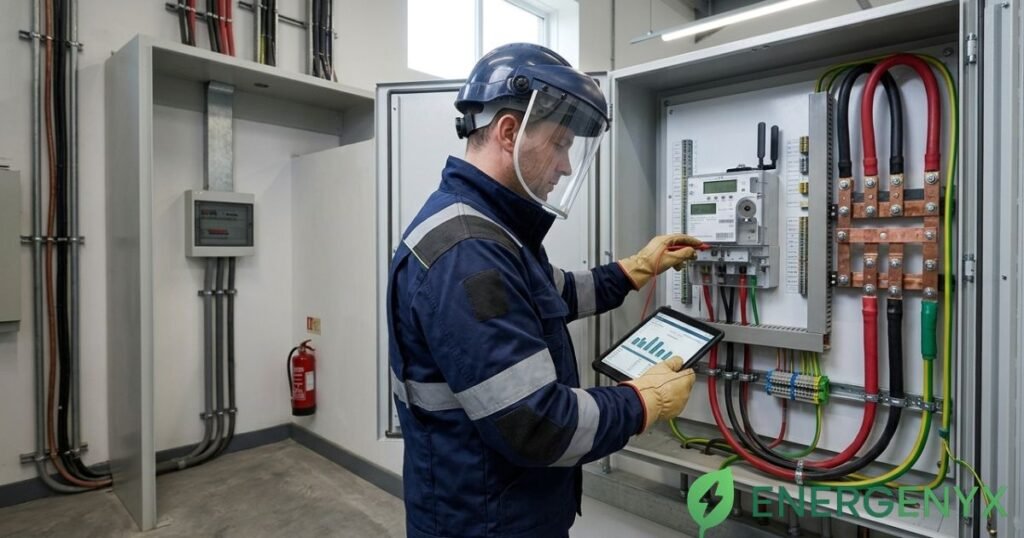
Whether a business can change its metering arrangement depends on its electricity supply, consumption, technical requirements, and applicable market rules.
A business should not assume that it can simply replace a half-hourly meter with a standard meter.
If you’re considering a change, speak with your electricity supplier or qualified metering professional.
They can assess:
- Current meter configuration
- Electricity consumption
- Supply characteristics
- Technical requirements
- Applicable rules
- Available alternatives
The decision should be based on the actual requirements of the electricity supply rather than simply the desire for a different type of meter.
Can a Half-Hourly Meter Reduce Business Energy Bills?
A half-hourly meter itself doesn’t automatically make electricity cheaper.
Its main benefit is better visibility of consumption.
The data can help a business identify opportunities to reduce unnecessary usage, understand demand patterns, and make better procurement decisions.
For example, a business may discover that a significant amount of electricity is being consumed outside normal operating hours.
Taking action based on this information could potentially reduce consumption.
The savings therefore come from better energy management and procurement decisions—not simply from having a half-hourly meter installed.
Half-Hourly Electricity for Multi-Site Businesses
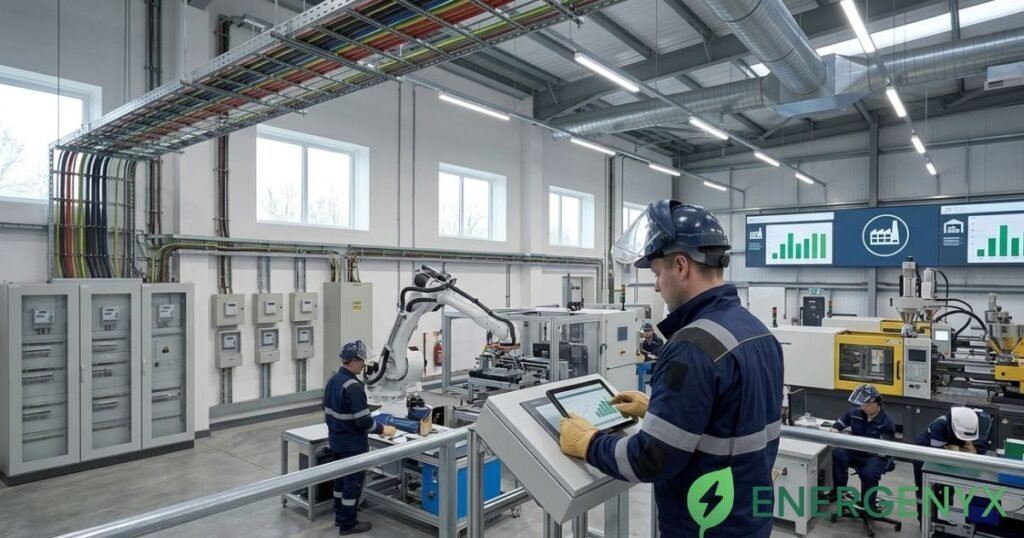
For organisations operating several premises, half-hourly data can become particularly useful.
A business could compare consumption across:
- Offices
- Retail locations
- Warehouses
- Manufacturing sites
- Hotels
- Distribution centres
This can reveal which locations consume the most electricity and where further investigation may be worthwhile.
Centralised energy management can also make it easier to monitor procurement, contracts, and consumption across the organisation.
Common Half-Hourly Metering Mistakes
Businesses should avoid several common mistakes when managing half-hourly electricity.
Ignoring Consumption Data
Paying for detailed data without actually reviewing it means the business may miss valuable information.
Focusing Only on Unit Rates
A low unit rate doesn’t necessarily mean the contract provides the best overall value.
Consider the complete pricing structure and contract terms.
Leaving Procurement Until the Last Minute
Businesses should monitor contract expiry dates and allow sufficient time to compare options.
Not Understanding the MPAN
Accurate supply information is important when obtaining electricity quotations.
Assuming Half-Hourly Means Cheaper
Half-hourly metering provides better consumption visibility, but it doesn’t automatically result in lower energy prices.
Failing to Monitor Consumption After Procurement
Energy management shouldn’t stop once a contract has been signed.
Continue monitoring consumption and reviewing energy performance throughout the contract period.
Who Should Pay Particular Attention to Half-Hourly Electricity?
Half-hourly electricity metering is especially relevant to businesses with significant or complex electricity consumption.
This can include organisations such as:
- Manufacturing companies
- Large retail businesses
- Supermarkets
- Hotels
- Warehouses
- Office buildings
- Educational institutions
- Healthcare facilities
- Industrial sites
- Multi-site organisations
However, the importance of half-hourly metering isn’t determined by business type alone.
The actual electricity supply, consumption, meter configuration, and applicable market requirements should always be considered.
Half-Hourly Electricity for Small Businesses
Most smaller businesses may not have the same electricity requirements as large industrial organisations.
A small office, independent shop, or small professional practice may have relatively straightforward electricity consumption.
For these businesses, a standard commercial electricity arrangement may be sufficient.
However, a smaller business can still benefit from detailed energy monitoring if it has unusually high electricity consumption or energy-intensive equipment.
For example, a small restaurant with commercial refrigeration, ovens, ventilation systems, and other equipment may want more detailed information about its electricity consumption.
The right approach depends on the individual business.
Half-Hourly Electricity for Manufacturing Businesses
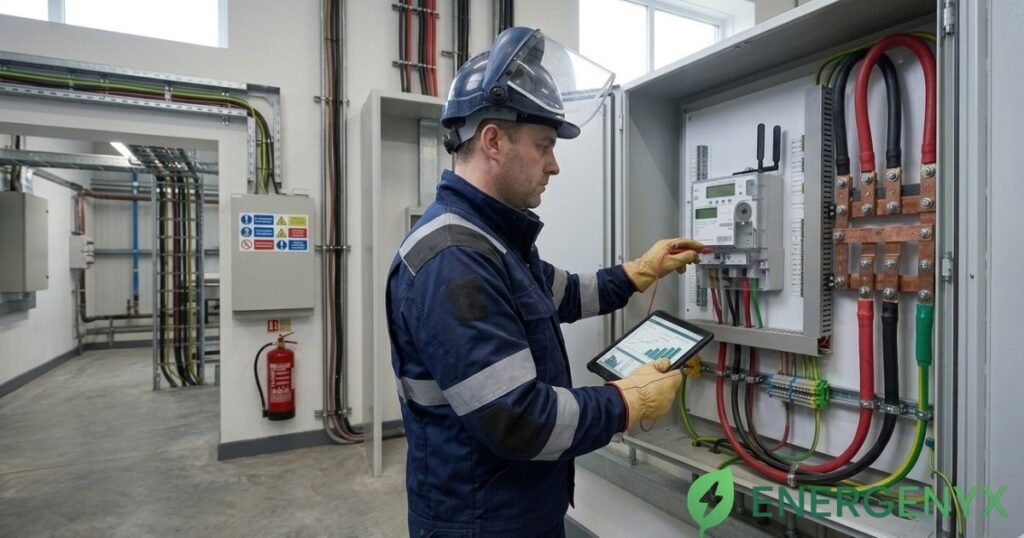
Manufacturing businesses can have highly variable electricity consumption.
Production equipment may operate for specific periods, while other systems such as ventilation, refrigeration, lighting, or compressed air may operate continuously.
Half-hourly data can help manufacturers understand how production affects electricity demand.
It can also help identify periods where equipment is consuming energy without generating useful output.
For energy-intensive manufacturers, detailed consumption analysis can therefore become an important part of energy management and procurement.
Half-Hourly Electricity for Retail Businesses
Retail businesses can also benefit from understanding electricity consumption patterns.
A store’s electricity usage may change depending on:
- Opening hours
- Lighting
- Heating and cooling
- Refrigeration
- Customer traffic
- Equipment
- Seasonal conditions
For businesses operating multiple stores, comparing half-hourly consumption between locations may help identify unusual patterns or opportunities for improvement.
Half-Hourly Electricity and Energy Consultants
Businesses that find half-hourly electricity arrangements difficult to understand may consider working with an energy consultant or broker.
A specialist can potentially help with:
- Consumption analysis
- Supplier comparison
- Contract procurement
- Contract renewal
- Energy market analysis
- Procurement strategy
- Energy efficiency
This can be particularly useful for businesses with large consumption volumes or multiple premises.
However, businesses should always understand the consultant’s services and fee structure before entering an agreement.
How to Prepare for a Half-Hourly Electricity Contract

If your business is approaching the end of its electricity contract, prepare the necessary information before requesting new quotations.
Step 1: Find Your MPAN
Locate the MPAN associated with the electricity supply.
Step 2: Check Your Contract
Find out when your existing contract expires and whether there are any relevant renewal or notice requirements.
Step 3: Review Consumption
Analyse recent electricity consumption and identify major changes in your operating pattern.
Step 4: Gather Bills
Keep recent electricity bills available for suppliers, brokers, or consultants.
Step 5: Understand Your Requirements
Consider whether your business prioritises:
- Price certainty
- Flexibility
- Renewable electricity
- Long-term budgeting
- Energy efficiency
- Procurement support
Step 6: Compare Your Options
Don’t automatically accept the first renewal quotation.
Compare business energy available options based on the total contract structure and your business requirements.
What Information Should You Give an Energy Supplier?
When requesting a commercial electricity quotation, accurate information can make the process easier.
Depending on the supplier and procurement process, you may be asked for:
- Business name
- Supply address
- MPAN
- Current supplier
- Current contract
- Contract end date
- Annual consumption
- Meter information
- Payment preferences
For larger supplies, suppliers may also need detailed consumption data.
The more accurate the information, the easier it can be to assess suitable procurement options.
Frequently Asked Questions
What is a half-hourly electricity meter?
A half-hourly electricity meter records electricity consumption in 30-minute intervals. This provides businesses with detailed information about their electricity usage throughout the day.
Do all businesses need a half-hourly meter?
No. Half-hourly metering requirements depend on factors such as the electricity supply, consumption, and applicable market rules. Businesses should check their specific circumstances with their supplier or an appropriate energy professional.
Is a half-hourly meter more expensive?
The cost of metering and electricity supply depends on the individual arrangement. A half-hourly meter does not automatically mean that a business will pay more or less for electricity.
Does half-hourly metering make electricity cheaper?
Not automatically. The primary benefit is detailed consumption data. Businesses can potentially use this information to improve energy efficiency and procurement decisions.
How often does a half-hourly meter record electricity?
A half-hourly meter records electricity consumption in 30-minute intervals, creating up to 48 settlement periods during a 24-hour day.
What is a half-hourly MPAN?
A half-hourly MPAN is associated with an electricity supply that is settled using half-hourly consumption data. The MPAN itself is an identifier for the electricity supply point.
Can small businesses have half-hourly meters?
Yes. Metering arrangements depend on the individual electricity supply and requirements. A business should confirm its specific meter configuration with its supplier.
Can I switch suppliers with a half-hourly meter?
Businesses with half-hourly electricity supplies can change suppliers, subject to their contract and applicable requirements. The switching process can involve more detailed supply information than a simple standard-meter arrangement.
Can I change from a half-hourly meter to a standard meter?
It depends on the supply and applicable requirements. Businesses should speak with their supplier or metering provider before assuming that a change is possible.
Why is half-hourly consumption data useful?
It shows how electricity consumption changes throughout the day. Businesses can use this information to identify peak demand, unusual consumption, efficiency opportunities, and procurement requirements.
Final Thoughts
Half-hourly electricity metering gives businesses a much more detailed view of how electricity is consumed.
Rather than looking only at total annual usage, businesses can analyse consumption across individual 30-minute periods and identify patterns throughout the day, week, and year.
This information can be particularly valuable for organisations with significant electricity consumption, multiple premises, or energy-intensive operations.
However, having detailed data is only the beginning.
The real value comes from using that information to make better decisions about energy efficiency, procurement, contracts, and ongoing energy management.
If your business has a half-hourly electricity meter, make sure you understand your consumption profile, MPAN, contract arrangements, and procurement options before agreeing to a new electricity contract.
Compare Business Electricity Options with Energenyx

Choosing a business electricity contract can be complicated, particularly when your organisation has significant consumption or a half-hourly meter.
Energenyx helps UK businesses explore their commercial energy options and make more informed decisions about electricity and gas contracts.
Whether you’re:
- Reviewing your current electricity contract
- Approaching renewal
- Comparing business electricity suppliers
- Looking at procurement options
- Managing multiple business premises
- Trying to understand your energy requirements
you can explore your available options with Energenyx.