

Introduction
Natural gas plays a vital role in the day-to-day operations of many UK businesses. From heating offices and retail spaces to powering commercial kitchens and manufacturing processes, gas is often one of the largest ongoing operating expenses.
Understanding business gas rates is essential when choosing a commercial energy contract. The rate you pay can affect your monthly energy costs, long-term budgeting, and overall business profitability.
Unlike domestic gas tariffs, business gas contracts are usually tailored to the individual needs of each organization. The price a supplier offers may depend on factors such as your annual gas consumption, business location, meter type, contract length, and wholesale gas market conditions.
Because every business has different energy requirements, it’s important to compare more than just the headline price. Looking at unit rates, standing charges, contract terms, and estimated annual costs will help you make a more informed decision.
In this guide, we’ll explain how business gas rates work, what influences commercial gas prices, how to compare business gas quotes, and practical ways to manage your gas costs.
Key Takeaways
Before exploring business gas pricing in detail, here are the key points to remember:
- Business gas rates vary between suppliers and contracts.
- Your gas bill usually includes both a unit rate and a daily standing charge.
- Annual gas usage, business location, contract length, and market conditions all influence pricing.
- Comparing quotes before your contract expires can help you understand the options available.
- Improving energy efficiency may reduce your overall gas consumption and operating costs.
What Are Business Gas Rates?
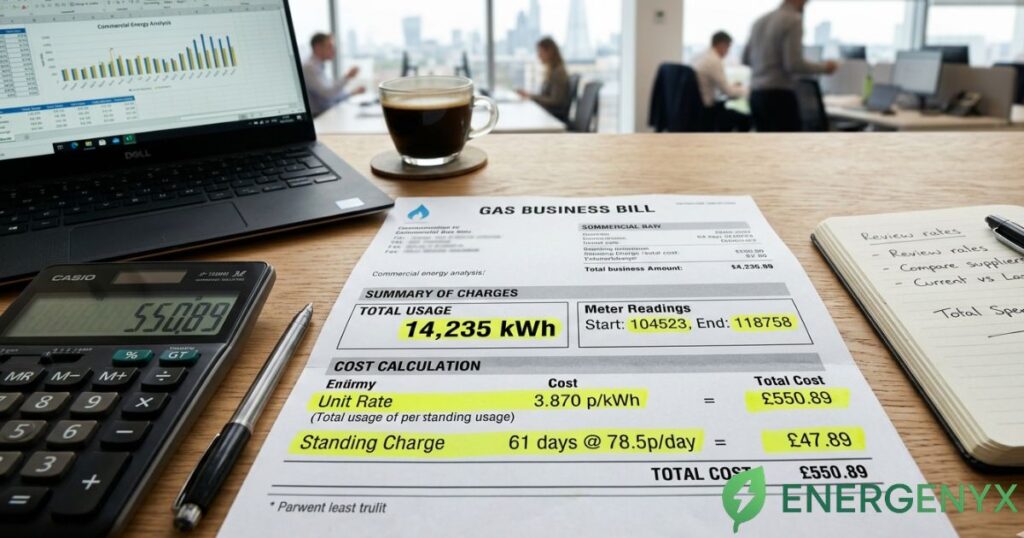
Business gas rates are the prices commercial customers pay for the natural gas supplied to their business premises.
Most business gas contracts include two primary charges:
- Unit Rate – the amount charged for each kilowatt-hour (kWh) of gas your business uses.
- Standing Charge – a fixed daily fee that contributes to maintaining your gas supply and associated services.
The exact rates offered will vary depending on your business’s individual circumstances and the supplier’s pricing at the time you request a quote.
Unlike many household energy tariffs, commercial gas contracts are generally negotiated based on each business’s expected energy usage and operational requirements.
How Do Business Gas Rates Work?
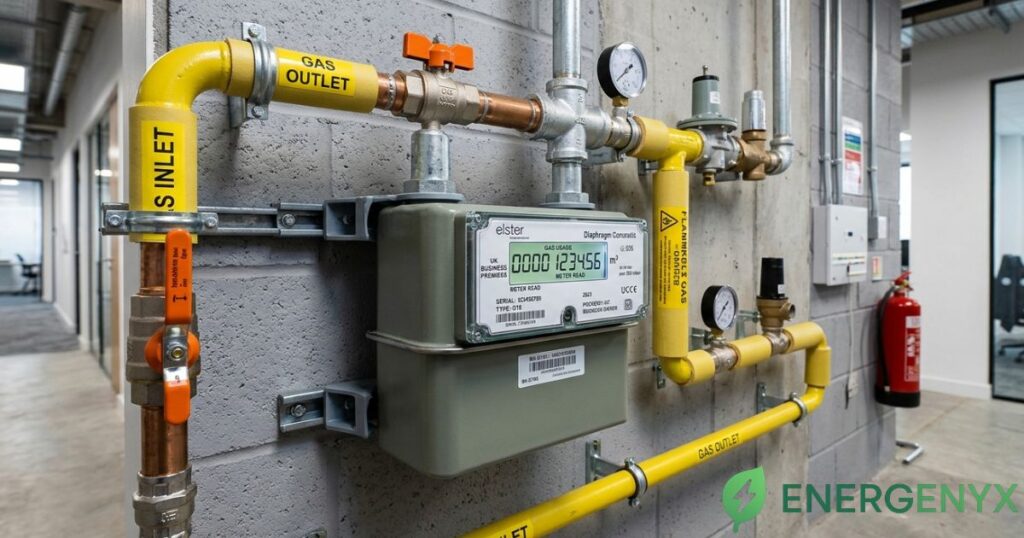
Every time your business consumes gas, your gas meter records the amount of energy used.
Your supplier then calculates your bill using:
- Your gas consumption (measured in kWh)
- Your agreed unit rate
- Your daily standing charge
- VAT
- Any applicable industry-related charges
Your total bill therefore depends on both how much gas you consume and the terms of your contract.
Understanding how these charges work makes it easier to compare quotes from different suppliers.
Unit Rates and Standing Charges
Although they appear together on your bill, they represent different costs.
Unit Rate
The unit rate is the price you pay for each kilowatt-hour (kWh) of gas consumed.
If your business uses more gas, you’ll generally pay more because more units have been used.
When comparing suppliers, pay close attention to the unit rate, particularly if your business has high gas consumption.
Standing Charge
The standing charge is a fixed daily amount that applies whether your business uses a large amount of gas or very little on a particular day.
It contributes towards costs such as:
- Maintaining the gas network
- Meter administration
- Customer account services
- Infrastructure and distribution
When comparing business gas contracts, always consider both the standing charge and the unit rate rather than looking at either figure in isolation.
What Affects Business Gas Rates?
Several factors influence the price a supplier may offer your business.
Understanding these factors helps explain why one business may receive a different quotation from another.
1. Business Location
The location of your business can influence commercial gas prices.
Regional infrastructure costs and distribution networks may affect supplier pricing, meaning businesses in different parts of the UK could receive different quotations.
2. Annual Gas Consumption
Suppliers usually ask for your annual gas usage before preparing a quotation.
Knowing how much gas your business typically consumes helps suppliers estimate future demand and recommend suitable contracts.
Reviewing previous gas bills is a useful way to understand your annual consumption.
3. Business Type
Different industries use gas in different ways.
For example:
- Restaurants often consume large amounts of gas for cooking.
- Hotels may require gas for heating and hot water.
- Manufacturers may rely on gas-powered industrial processes.
- Offices often use gas mainly for heating during colder months.
- Healthcare facilities may have consistent year-round gas demand.
Your business profile can therefore influence the contract options available.
4. Meter Type
The type of gas meter installed at your premises may also affect the way your energy usage is measured and managed.
Businesses may use different types of commercial gas meters depending on the size of their premises and annual gas consumption.
Providing accurate meter information when requesting quotations helps suppliers prepare more accurate offers.
5. Contract Length
Commercial gas contracts are available in a range of lengths.
Some businesses choose shorter agreements for greater flexibility, while others prefer longer contracts to provide greater certainty over future energy costs.
Before selecting a contract, consider:
- Your expected future energy usage
- Business growth plans
- Budgeting requirements
- Appetite for market price fluctuations
Choosing the right contract length should form part of your wider energy management strategy.
6. Fixed vs Variable Gas Tariffs
Business gas contracts are generally available as either fixed or variable tariffs.
Fixed Tariffs
A fixed tariff keeps your agreed gas unit rate the same throughout the contract period, helping businesses budget with greater certainty.
Variable Tariffs
A variable tariff may change during the contract depending on market conditions.
Some businesses appreciate the predictability of fixed pricing, while others are comfortable accepting changes if market prices move.
The right choice depends on your business objectives and approach to managing risk.
7. Wholesale Gas Prices
Commercial gas suppliers purchase gas from wholesale markets before supplying it to businesses.
Changes in wholesale gas prices can affect the rates available when your business renews its contract or requests new quotations.
Businesses interested in how the UK’s gas transmission network operates can learn more from National Gas.
Factors that may influence wholesale gas markets include:
- Global supply and demand
- Seasonal weather patterns
- International energy markets
- Infrastructure maintenance
- Economic conditions
Because wholesale prices change regularly, comparing business gas quotes before renewing your contract can help you understand the options available at that time.
Understanding Business Gas Bills
Understanding how your business gas bill is calculated can help you compare contracts more accurately and identify opportunities to manage your energy costs.
Although suppliers may present bills differently, most commercial gas bills contain the same core components.
Unit Rate
The unit rate is the amount your business pays for each kilowatt-hour (kWh) of gas consumed.
Every time your business uses gas for heating, hot water, cooking, or industrial processes, the energy consumed is measured and charged using the agreed unit rate.
If your business has higher gas consumption, your total gas costs will generally be higher because more units have been used.
When comparing quotations, remember that the unit rate is only one part of the total cost.
Standing Charge
A standing charge is a fixed daily fee that applies regardless of how much gas your business uses.
This charge contributes towards the ongoing costs of maintaining your gas supply and supporting the wider gas network.
Standing charges may help cover:
- Gas network maintenance
- Meter administration
- Customer account services
- Distribution infrastructure
A contract with a low unit rate but a high standing charge may not always provide the lowest overall annual cost.
VAT on Business Gas
Most UK businesses pay VAT on their commercial gas supply.
The rate of VAT that applies depends on your business and the type of energy supplied.
If you’re uncertain about the VAT applied to your bill, contact your supplier or seek advice from a qualified tax professional.
Meter Readings
Accurate meter readings are important for ensuring your business is billed correctly.
Many businesses submit regular meter readings or have smart meters that automatically provide consumption data.
Checking your readings regularly can help you:
- Monitor gas usage
- Identify unexpected increases
- Reduce estimated bills
- Improve budgeting
Estimated Annual Gas Cost
Rather than comparing only monthly payments, it’s helpful to review the estimated annual cost of each contract.
This takes into account:
- Unit rates
- Standing charges
- Estimated annual gas usage
- Contract length
Comparing the overall annual cost provides a more complete picture of the value offered by different suppliers.
How to Get Better Business Gas Rates
Although no supplier can promise the lowest prices, there are several practical steps businesses can take to improve their chances of securing competitive gas contracts.
1. Compare Multiple Suppliers

One of the most effective ways to review the market is by comparing quotations from several suppliers.
When comparing offers, consider:
- Unit rates
- Standing charges
- Contract length
- Fixed or variable tariffs
- Renewable gas options (where available)
- Customer support
Looking at several quotations gives you a broader understanding of what’s available.
2. Start the Renewal Process Early

Leaving your business energy renewal until the final weeks of your contract can reduce your options.
Instead, begin reviewing your contract several months before it expires.
This gives you time to:
- Compare suppliers
- Understand market conditions
- Review your gas consumption
- Evaluate different tariff options
Planning ahead allows you to make a more informed decision.
3. Review Your Gas Consumption
Understanding how your business uses gas can help you choose a contract that better reflects your operational needs.
Review factors such as:
- Annual consumption
- Seasonal demand
- Heating requirements
- Manufacturing processes
- Kitchen equipment
- Business expansion plans
The more accurately you understand your usage, the easier it becomes to compare suitable contracts.
4. Choose the Right Tariff
The lowest advertised price isn’t always the best long-term option.
Before choosing a tariff, consider:
- Budget certainty
- Cash flow
- Future energy requirements
- Contract flexibility
- Market conditions
Selecting the right tariff should support both your operational needs and your financial planning.
5. Improve Energy Efficiency
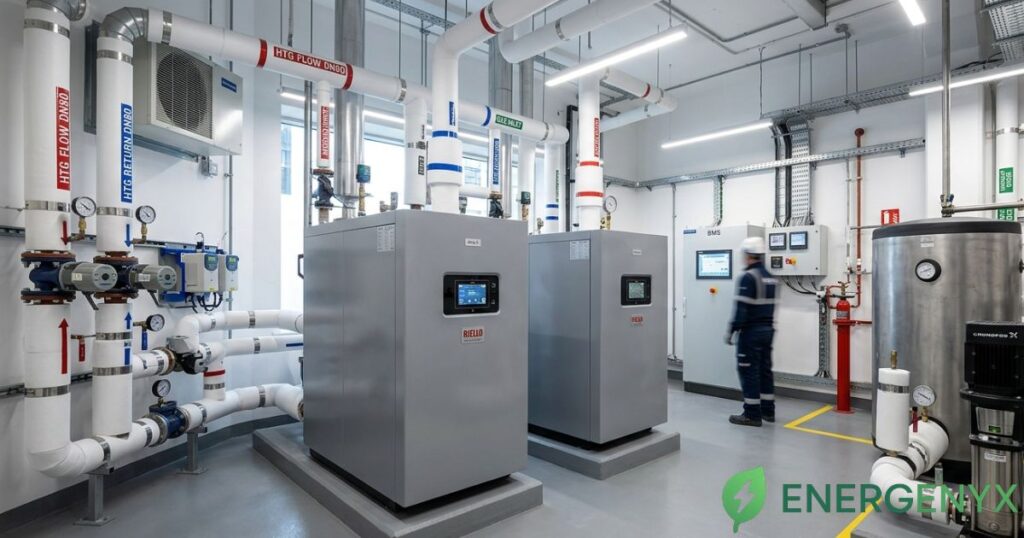
Reducing gas consumption can help lower your overall operating costs.
Consider practical improvements such as:
- Servicing boilers regularly
- Improving insulation
- Installing programmable heating controls
- Reducing heat loss around doors and windows
- Maintaining heating systems efficiently
Small improvements made consistently can reduce gas consumption over time.
6. Monitor Your Gas Bills

Regularly reviewing your bills helps you identify unusual changes before they become larger issues.
Check for:
- Unexpected increases in consumption
- Estimated readings
- Billing errors
- Changes in contract pricing
- Unusual seasonal trends
Monitoring your bills also makes future contract comparisons easier.
Common Mistakes Businesses Make

Many organisations pay more than necessary because of avoidable mistakes during the contract selection process.
Being aware of these common issues can help you make better purchasing decisions.
Automatically Renewing Contracts
Accepting an automatic renewal without comparing other suppliers may mean missing alternative contract options available in the market.
Reviewing quotations before renewal provides greater visibility of your choices.
Looking Only at the Unit Rate
Although the unit rate is important, it shouldn’t be your only consideration.
Also compare:
- Standing charges
- Contract length
- Estimated annual cost
- Customer service
- Contract flexibility
Looking at the total package provides a fairer comparison.
Waiting Until the Last Minute
Businesses that leave comparisons until just before contract expiry often have less time to evaluate different suppliers and tariffs.
Starting early provides greater flexibility and more time to make an informed decision.
Not Monitoring Gas Usage
Businesses that don’t understand their annual gas consumption may find it more difficult to compare quotations accurately.
Regularly reviewing your usage can also highlight opportunities to improve energy efficiency.
Focusing Only on Price
Choosing a contract based solely on the lowest headline price may not deliver the best long-term value.
Also consider:
- Supplier reputation
- Billing accuracy
- Customer support
- Contract terms
- Renewable energy options
- Flexibility for future business growth
A balanced approach often results in a contract that’s better suited to your business’s overall needs.
Frequently Asked Questions

What are business gas rates?
Business gas rates are the prices commercial customers pay for the natural gas supplied to their business premises. Most business gas contracts include a unit rate (the price per kilowatt-hour of gas used) and a daily standing charge (a fixed fee for maintaining the gas supply).
How are business gas rates calculated?
Business gas suppliers typically calculate quotations based on several factors, including:
- Annual gas consumption
- Business location
- Meter type
- Contract length
- Tariff type
- Wholesale gas market conditions
Because every business has different energy requirements, quotations may vary from one organisation to another.
What affects business gas prices?
Several factors can influence business gas prices, including:
- Global wholesale gas markets
- Seasonal demand
- Business size
- Annual gas usage
- Contract duration
- Type of tariff selected
- Regional distribution costs
These factors mean that prices available today may differ from those offered in the future.
Can I switch business gas suppliers?
Yes. Most UK businesses can switch gas suppliers when their current contract allows.
Many businesses begin comparing suppliers several months before their renewal date to explore available tariffs and make an informed decision before signing a new agreement.
Are fixed gas tariffs better than variable tariffs?
Neither option is universally better.
- Fixed tariffs provide greater price certainty because the unit rate remains the same throughout the contract.
- Variable tariffs can increase or decrease depending on market conditions.
The most suitable choice depends on your business’s budget, financial planning, and appetite for market price fluctuations.
How often should I compare business gas rates?
It’s generally recommended to review your business gas contract well before it expires.
Comparing quotes regularly helps you understand current market conditions and gives you time to assess different suppliers and tariff options.
Can improving energy efficiency reduce gas costs?
Improving energy efficiency can reduce the amount of gas your business consumes, which may lower your overall energy costs.
Examples include:
- Improving building insulation
- Servicing boilers regularly
- Installing smart heating controls
- Reducing heat loss
- Training staff on energy-saving practices
Final Thoughts
Business gas rates are influenced by a range of factors, including your annual gas usage, business location, contract type, and wholesale market conditions. Understanding how these elements work together can help you compare commercial gas contracts with greater confidence.
When reviewing quotations, avoid focusing solely on the lowest advertised unit rate. Instead, consider the total estimated annual cost, standing charges, contract terms, customer support, and the overall suitability of the contract for your business.
Regularly reviewing your energy usage and comparing suppliers before your contract expires can help ensure you’re making an informed decision based on your organisation’s needs.
Compare Business Gas Quotes with Energenyx
Choosing the right business gas contract doesn’t have to be complicated.
At Energenyx, we help UK businesses compare commercial gas quotes from trusted suppliers, making it easier to review tariffs, contract lengths, and pricing options in one place.

Whether you’re:
- Renewing an existing gas contract
- Switching business gas suppliers
- Moving into new commercial premises
- Looking to better understand your gas costs
our comparison service can help you explore suitable options based on your business’s energy requirements.