
Introduction
Energy is one of the biggest operating expenses for many UK businesses. Whether you run a small office, retail shop, restaurant, warehouse, or manufacturing facility, rising electricity and gas prices can have a significant impact on your monthly budget.
While wholesale energy prices and market conditions are beyond your control, there are many practical steps you can take to reduce your business energy costs. From choosing the right energy contract to improving energy efficiency in your workplace, small changes can add up to meaningful savings over time.
Many businesses focus solely on finding cheaper tariffs, but reducing costs is about more than switching suppliers. Understanding your energy usage, upgrading inefficient equipment, training staff, and regularly reviewing your contract can all contribute to lower energy bills.
In this guide, we’ll explore 25 practical ways to reduce business energy costs, helping you identify opportunities to improve efficiency, manage consumption, and make informed decisions about your commercial electricity and gas contracts.
Key Takeaways
Before we look at specific energy-saving strategies, here are the key points to remember:
- Review your business energy contract before it expires.
- Compare quotes from multiple suppliers instead of automatically renewing.
- Monitor your electricity and gas usage regularly.
- Invest in energy-efficient equipment where practical.
- Encourage employees to adopt energy-saving habits.
- Understand your business energy bills and identify unnecessary costs.
- Small improvements across your business can lead to significant long-term savings.
Why Have Business Energy Costs Increased?
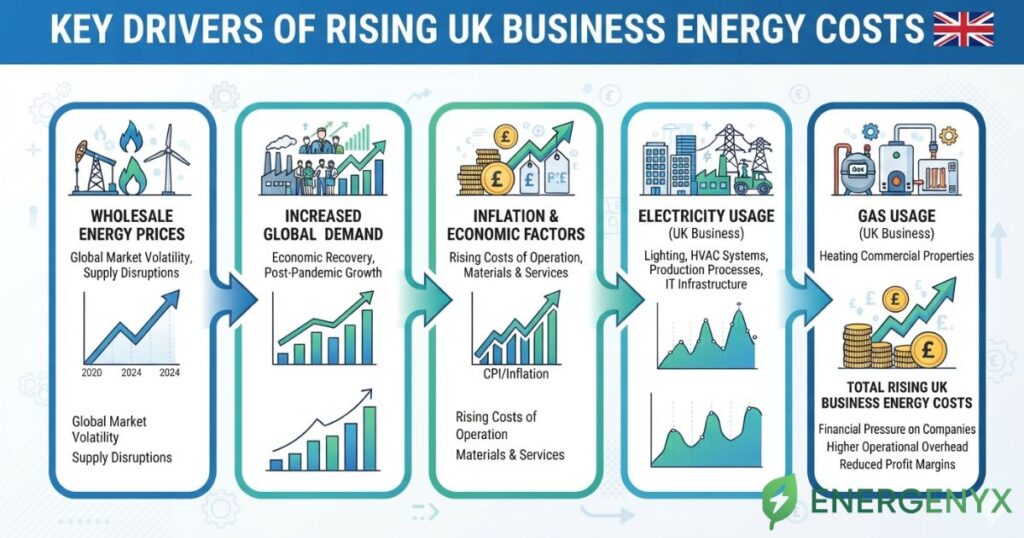
Many business owners have noticed significant changes in their electricity and gas bills over recent years.
Although every business is different, several factors influence the price of commercial energy.
Understanding these factors won’t necessarily lower your bills, but it can help explain why prices change and why reviewing your energy contract regularly is so important.
The Department for Energy Security and Net Zero publishes updates on UK energy policy, market developments, and initiatives that may affect businesses.
Wholesale Energy Prices
Business energy suppliers purchase electricity and gas from wholesale markets before selling it to commercial customers.
When wholesale prices rise due to supply and demand, global events, or market conditions, suppliers may pass some of those increased costs on to businesses.
Although wholesale prices fluctuate throughout the year, businesses that compare contracts regularly may be better positioned to secure competitive rates.
Higher Energy Demand
Energy demand changes throughout the year.
For example:
- Colder winters often increase heating demand.
- Hot weather can increase electricity consumption through air conditioning.
- Seasonal industries may experience higher energy usage during peak periods.
These fluctuations can influence overall market prices and your business’s energy consumption.
Changes in Your Business
Sometimes, higher energy bills aren’t caused by market prices alone.
Your business may now use more energy because:
- You’ve expanded your premises.
- You employ more staff.
- You’ve installed additional machinery.
- Your operating hours have increased.
- Customer demand has grown.
Reviewing your annual energy consumption can help you determine whether higher bills are due to increased usage or changes in your tariff.
25 Practical Ways to Reduce Business Energy Costs
Every business is different, and not every tip will apply to every organisation.
However, combining several of the following strategies can help improve energy efficiency and reduce your overall operating costs.
1. Compare Business Energy Suppliers Regularly
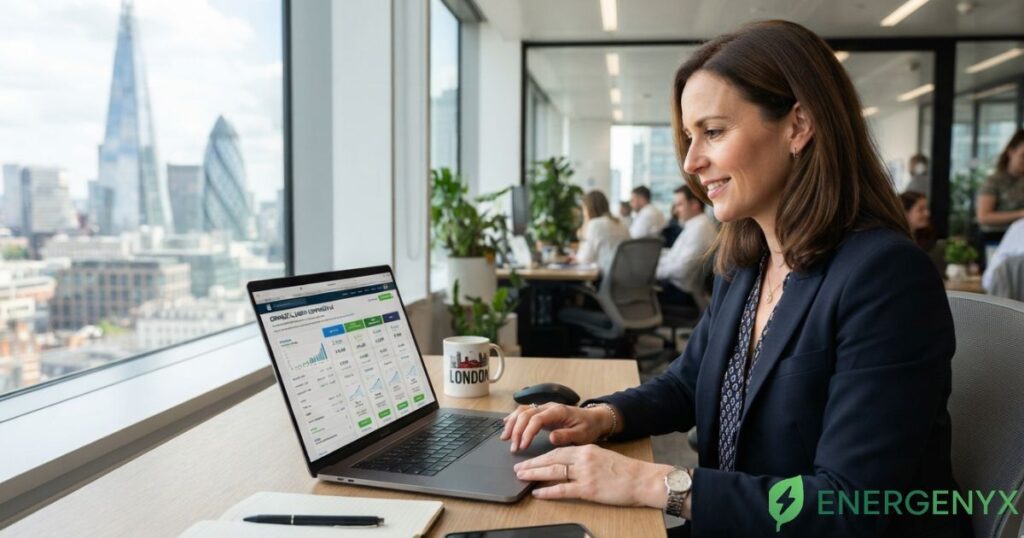
One of the simplest ways to reduce business energy costs is to compare suppliers before your current contract expires.
Many businesses automatically accept their renewal offer without checking whether better options are available elsewhere.
By comparing multiple suppliers, you may be able to find:
- More competitive unit rates.
- Lower standing charges.
- Better contract terms.
- Renewable energy options.
- Improved customer service.
Even if you decide to stay with your current supplier, comparing the market gives you a better understanding of the options available.
Businesses can also find useful information about the energy market and their rights by reading Ofgem’s guidance for non-domestic customers.
2. Review Your Contract Before Renewal
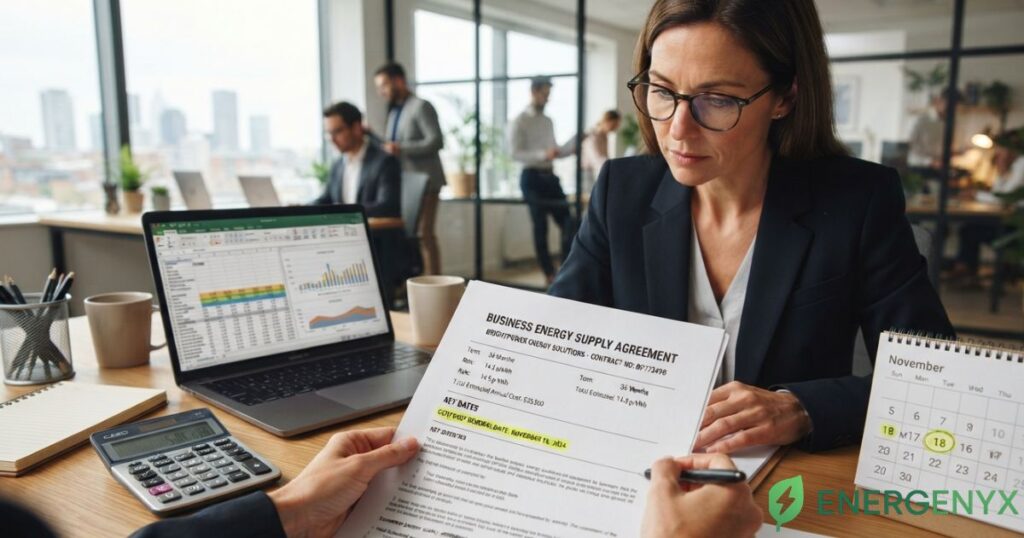
Leaving your contract renewal until the last minute can reduce your options.
Instead, begin reviewing your contract several months before it expires.
Check:
- Contract end date.
- Notice period.
- Current unit rates.
- Standing charges.
- Annual energy consumption.
- Tariff type.
Starting early gives you time to compare suppliers and choose a contract that better suits your business.
3. Choose the Right Business Energy Tariff
Selecting the right tariff is just as important as choosing the right supplier.
For example:
- Businesses that value predictable monthly costs may prefer fixed-rate tariffs.
- Businesses willing to accept market fluctuations may consider variable tariffs.
Before making a decision, think about:
- Budget certainty.
- Contract length.
- Energy usage patterns.
- Business growth plans.
- Risk tolerance.
Choosing a tariff that aligns with your business objectives can provide better long-term value than focusing solely on the lowest advertised price.
4. Monitor Your Energy Usage
You can’t effectively reduce energy costs if you don’t understand where your energy is being used.
Regularly monitoring your electricity and gas consumption helps you:
- Identify unusual increases.
- Spot equipment using excessive energy.
- Track seasonal trends.
- Measure the impact of energy-saving initiatives.
- Make more informed decisions during contract renewal.
Many suppliers also offer online account portals that allow businesses to monitor usage more closely.
5. Replace Traditional Lighting with LED Lighting
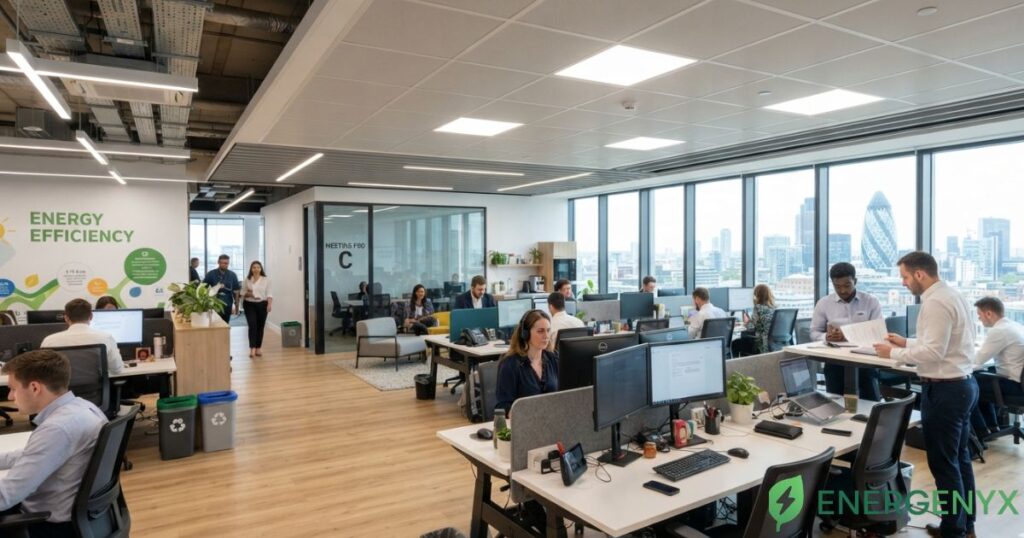
Lighting can account for a significant proportion of electricity consumption, particularly in offices, retail stores, warehouses, and hospitality businesses.
Replacing traditional bulbs with energy-efficient LED lighting offers several benefits:
- Lower electricity consumption.
- Longer lifespan.
- Reduced maintenance costs.
- Improved lighting quality.
- Lower heat output.
Although there is an upfront investment, many businesses find that LED lighting helps reduce operating costs over time.
6. Improve Insulation
Heating and cooling systems work much harder when warm or cool air escapes from your building.
Improving insulation is one of the most effective long-term ways to reduce business energy costs.
Consider checking:
- Roof insulation
- Wall insulation
- Windows and doors
- Pipe insulation
- Warehouse loading doors
Even small improvements, such as sealing gaps around doors and windows, can help reduce unnecessary energy loss.
7. Install a Smart Meter
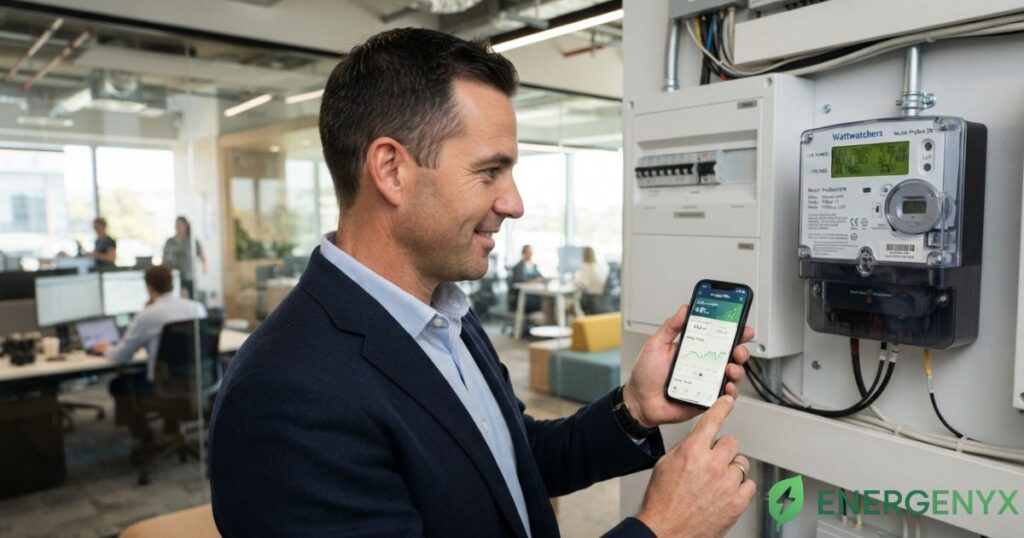
A smart meter gives your business more accurate information about electricity and gas usage.
Instead of relying on estimated readings, smart meters automatically send meter readings to your supplier.
Benefits include:
- More accurate bills
- Better visibility of energy usage
- Easier budgeting
- Reduced manual meter readings
Understanding when your business uses the most energy can help you identify opportunities to improve efficiency.
8. Turn Off Equipment When It’s Not in Use
Many businesses leave equipment running overnight or during weekends without realising how much energy it consumes.
Common examples include:
- Computers
- Printers
- Photocopiers
- Monitors
- Kitchen appliances
- Display screens
Creating a simple shutdown routine at the end of each working day can reduce unnecessary electricity consumption.
9. Reduce Standby Power Consumption
Even when equipment appears to be switched off, it may continue using electricity in standby mode.
This is sometimes known as “phantom” or “vampire” power.
Devices commonly affected include:
- Computer monitors
- TVs
- Coffee machines
- Chargers
- Audio equipment
- Office electronics
Using smart power strips or switching equipment off at the wall can help minimise standby energy use.
10. Maintain Heating and Cooling Systems
Poorly maintained heating, ventilation, and air conditioning (HVAC) systems often use more energy than necessary.
Regular maintenance can help:
- Improve efficiency
- Extend equipment lifespan
- Reduce unexpected breakdowns
- Lower operating costs
- Maintain a comfortable working environment
Simple maintenance tasks, such as replacing filters and scheduling annual servicing, can make a noticeable difference.
11. Upgrade Old Equipment
Older appliances and machinery are often less energy efficient than modern alternatives.
If your business regularly uses:
- Refrigeration equipment
- Manufacturing machinery
- Office computers
- Boilers
- Air conditioning systems
consider whether upgrading could reduce energy consumption over the long term.
Although new equipment requires an upfront investment, improved efficiency may help offset those costs over time.
12. Encourage Employees to Save Energy
Energy efficiency isn’t just about technology—it also depends on everyday habits.
Simple actions by employees can collectively make a significant difference.
Encourage staff to:
- Turn off lights when leaving rooms.
- Shut down computers at the end of the day.
- Report faulty equipment.
- Avoid unnecessary heating or cooling.
- Use natural light where possible.
Creating an energy-conscious workplace culture can contribute to ongoing savings.
13. Review Your Business Energy Bills Regularly
Many businesses only glance at the total amount due.
Instead, review each bill carefully.
Check for:
- Unexpected increases
- Estimated readings
- Unit rates
- Standing charges
- Billing errors
- Changes in consumption
Understanding your bill helps you identify unusual costs and provides useful information when comparing suppliers.
You can also read our guide on: Out-of-Contract Business Energy Rates
14. Schedule Energy-Intensive Tasks Wisely
If your business operates machinery or equipment that consumes large amounts of electricity, consider whether some activities can be scheduled more efficiently.
For example:
- Batch similar production tasks together.
- Avoid running unnecessary equipment simultaneously.
- Switch off machinery immediately after use.
- Plan maintenance to improve efficiency.
These operational improvements can help reduce overall electricity consumption without affecting productivity.
15. Carry Out Regular Energy Audits
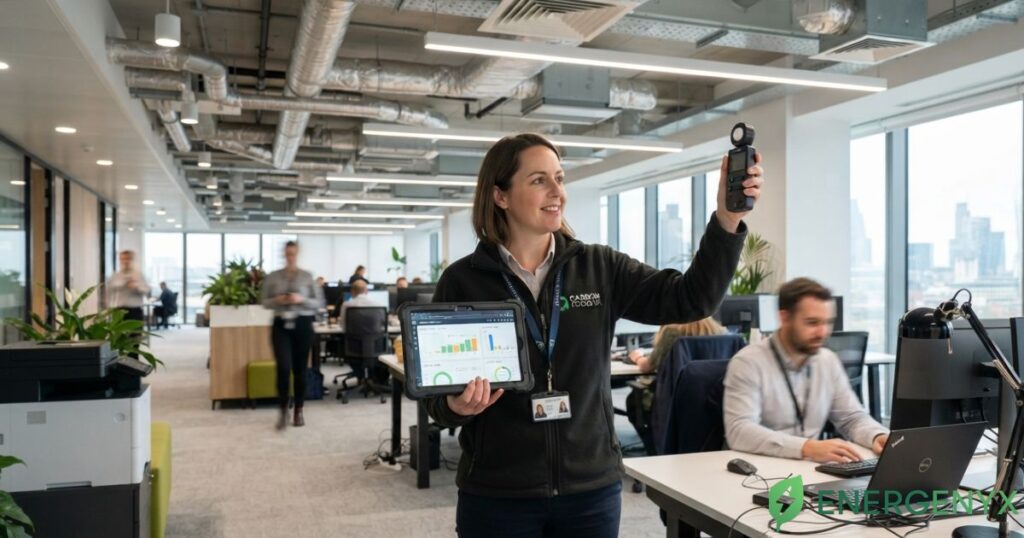
An energy audit helps identify where your business uses energy and where improvements can be made.
The Carbon Trust offers practical guidance on improving energy efficiency and reducing energy consumption across different types of organisations.
You don’t always need a complex assessment to get started.
Begin by reviewing:
- Lighting
- Heating and cooling
- Office equipment
- Machinery
- Building insulation
- Employee working practices
Recording your findings each year allows you to measure progress and prioritise future improvements.
Even small changes identified during an audit can lead to meaningful savings over time.
16. Optimise Heating and Cooling Settings
Heating and cooling account for a large proportion of energy consumption in many businesses.
Instead of constantly adjusting temperatures throughout the day, set realistic temperature controls and use programmable thermostats where possible.
Avoid overheating in winter or overcooling during summer, as even small temperature changes can affect your energy costs.
17. Maximise Natural Light
Natural daylight can reduce the need for artificial lighting during business hours.
Simple improvements include:
- Keeping windows clean.
- Opening blinds and curtains during the day.
- Positioning workstations near windows.
- Using light-coloured walls to reflect daylight.
These changes can lower electricity consumption while creating a brighter working environment.
18. Maintain Refrigeration Equipment
For businesses in hospitality, retail, or food production, refrigeration can be one of the largest energy users.
To improve efficiency:
- Clean condenser coils regularly.
- Check door seals for damage.
- Avoid overloading fridges and freezers.
- Defrost equipment when needed.
- Keep ventilation areas clear.
Regular maintenance helps equipment operate more efficiently and may extend its lifespan.
19. Reduce Water Heating Costs
Hot water is essential for many businesses, but it doesn’t have to be expensive.
You can reduce water heating costs by:
- Fixing leaking taps.
- Insulating hot water pipes.
- Lowering water heater temperatures where appropriate.
- Servicing boilers regularly.
- Installing water-efficient fixtures.
Small improvements can reduce both water and energy consumption.
20. Invest in Energy-Efficient Office Equipment
When replacing office equipment, look for models designed to use less electricity.
Energy-efficient products often include:
- Desktop computers
- Laptops
- Printers
- Photocopiers
- Monitors
Although the purchase price may be higher, lower running costs can provide savings over the equipment’s lifetime.
21. Encourage Remote or Hybrid Working (Where Suitable)
For some businesses, flexible working arrangements can reduce office energy consumption.
With fewer people on-site, you may reduce:
- Lighting usage
- Heating and cooling requirements
- Kitchen appliance usage
- Office equipment consumption
This approach isn’t suitable for every industry, but it can help some organisations lower operating costs.
22. Train Staff on Energy Efficiency
Creating awareness is one of the most cost-effective ways to reduce energy use.
Provide simple guidance on:
- Turning off unused equipment.
- Reporting maintenance issues.
- Using heating and cooling responsibly.
- Reducing unnecessary lighting.
When energy-saving habits become part of your workplace culture, they can contribute to long-term reductions in energy consumption.
23. Consider Renewable Energy Options

Some businesses choose renewable energy tariffs or invest in technologies such as solar panels to reduce their environmental impact. The Energy Saving Trust provides independent advice on renewable technologies and improving energy efficiency for homes and organizations.
Depending on your business type and premises, renewable energy may also provide long-term financial benefits.
Before making any investment, assess installation costs, expected savings, and your future energy requirements.
24. Monitor Progress Regularly
Reducing business energy costs isn’t a one-time task.
Track your progress by reviewing:
- Monthly energy bills
- Electricity usage (kWh)
- Gas usage
- Seasonal trends
- Energy-saving initiatives
Monitoring your results helps identify which strategies are delivering the greatest value.
25. Compare Business Energy Quotes Every Time Your Contract Ends
One of the most effective ways to manage energy costs is to review your contract before it expires.
Instead of accepting the first renewal offer, compare quotes from several suppliers.
When comparing offers, consider:
- Unit rates
- Standing charges
- Contract length
- Customer service
- Renewable energy options
- Overall annual cost
Even if you remain with your current supplier, comparing the market helps ensure you’re making an informed decision.
Common Mistakes That Increase Business Energy Bills
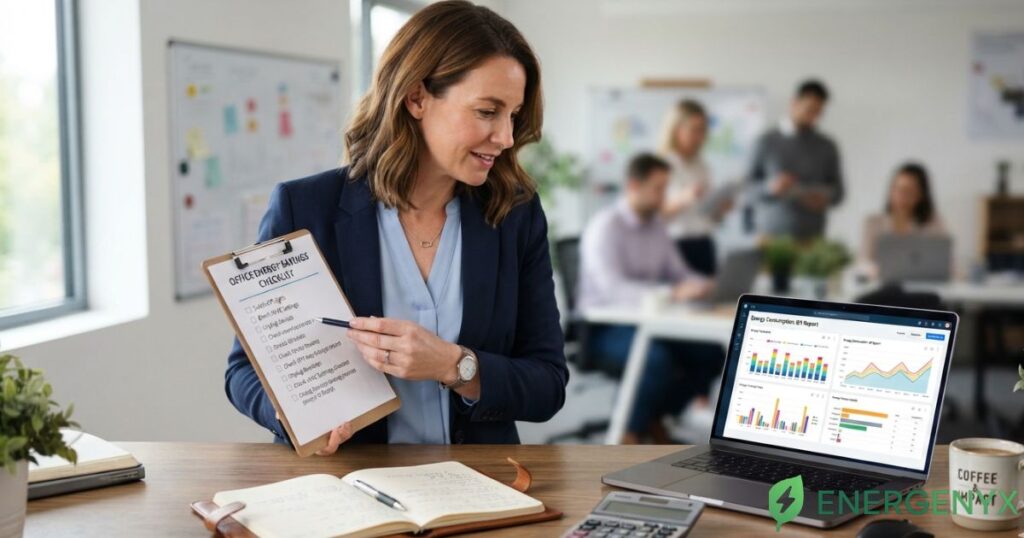
Many businesses unknowingly increase their energy costs through avoidable mistakes.
Common examples include:
- Automatically renewing contracts without comparing suppliers.
- Leaving equipment running overnight.
- Ignoring small maintenance issues.
- Using outdated lighting and appliances.
- Not reviewing business energy bills.
- Missing contract renewal dates.
- Overheating or overcooling workspaces.
- Failing to monitor energy consumption.
Identifying and correcting these issues can lead to significant long-term savings.
Frequently Asked Questions
What is the quickest way to reduce business energy costs?
For many businesses, comparing energy suppliers before renewing a contract is one of the fastest ways to explore potential savings. Combining this with simple energy-efficiency measures can further reduce costs.
Should I switch business energy suppliers?
If your current contract is nearing its end, comparing suppliers can help you understand what tariffs and contract options are available. The right choice depends on your business’s energy usage, budget, and priorities.
How often should I review my business energy contract?
It’s generally advisable to review your contract several months before it expires. This gives you time to compare quotes and avoid rushed decisions.
Do smart meters help businesses save energy?
A smart meter doesn’t reduce energy consumption by itself, but it provides accurate usage data that can help businesses identify waste and make better energy management decisions.
What uses the most electricity in a business?
The answer varies by industry, but common high-energy users include:
- Heating and cooling systems
- Lighting
- Refrigeration equipment
- Manufacturing machinery
- IT equipment
Monitoring your energy usage can help identify the biggest opportunities for improvement.
Final Thoughts
Reducing business energy costs isn’t about relying on a single solution. The greatest savings often come from combining several practical improvements, such as reviewing your energy contract, improving efficiency, maintaining equipment, and encouraging energy-conscious habits across your organisation.
Every business is different, so it’s worth assessing which strategies will have the biggest impact on your operations. Even small changes, when implemented consistently, can contribute to lower energy bills and improved long-term efficiency.
Compare Business Energy Quotes with Energenyx
If you’re looking to reduce your business energy costs, comparing suppliers is an excellent place to start.
Whether you’re renewing your contract, considering a switch, or simply exploring your options, our comparison service can help you make an informed decision.

Request your free, no-obligation business energy comparison today and discover whether your business could benefit from a more competitive energy contract.