
Business electricity consumption can vary dramatically depending on the size of the company, the type of premises, operating hours, equipment and the nature of the business.
A small office with a few employees may use relatively little electricity, while a restaurant, hotel, warehouse or manufacturing facility can consume considerably more.
Understanding business electricity consumption is important because electricity usage directly affects energy costs. It can also help businesses compare electricity contracts, identify unusual consumption, improve energy efficiency and make better procurement decisions.
In this guide, we’ll explain how business electricity consumption is measured, how much electricity different types of businesses may use, what affects consumption and practical ways to reduce unnecessary electricity usage.
What Is Business Electricity Consumption?
Business electricity consumption is the amount of electrical energy used by a commercial property or organisation over a particular period.
Electricity consumption is generally measured in kilowatt-hours (kWh).
For example, if a business uses 10 kWh of electricity during a particular period, that amount contributes to its overall electricity consumption.
Annual consumption is often particularly useful when reviewing energy requirements because business electricity suppliers can use historical usage information when assessing a business’s electricity needs.
A business might therefore look at its:
- Daily electricity consumption
- Monthly electricity consumption
- Annual electricity consumption
- Consumption during operating hours
- Peak electricity demand
- Seasonal electricity usage
Understanding these patterns can provide a much clearer picture than looking at a single electricity bill.
How Is Business Electricity Consumption Measured?
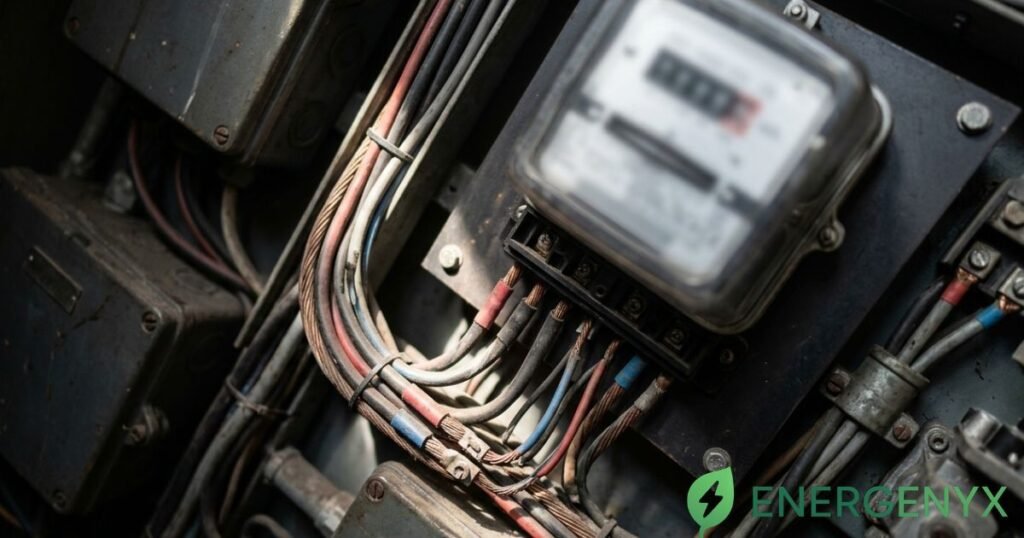
Electricity meters record the amount of electricity consumed by a business.
Depending on the meter and supply arrangement, businesses may have access to different levels of consumption information.
A basic meter may provide a cumulative reading, while more advanced metering can provide detailed information about when electricity was consumed.
This is particularly relevant for businesses with half-hourly electricity meters, which can provide consumption information in 30-minute intervals.
The unit used to measure electricity consumption is the kilowatt-hour (kWh). Businesses can learn more about electricity meters and the UK energy market through Ofgem’s official guidance.
What Is a Kilowatt-Hour?
A kilowatt-hour is a unit of energy.
One kilowatt-hour represents the energy used by a 1-kilowatt appliance operating for one hour.
For example:
A 2 kW piece of equipment running for 3 hours would theoretically use:
2 kW × 3 hours = 6 kWh
A business may have dozens or hundreds of electrical devices and machines operating throughout the day.
When their individual consumption is combined, total electricity usage can become substantial.
How Much Electricity Does an Average Business Use?
There isn’t one universal figure for average business electricity consumption.
A business’s electricity usage depends heavily on its:
- Industry
- Premises size
- Number of employees
- Opening hours
- Equipment
- Heating and cooling requirements
- Refrigeration
- Machinery
- Lighting
- IT infrastructure
- Production processes
For this reason, businesses should be cautious about comparing their consumption with a generic “average business.”
A 10-person office and a 10-person restaurant could have completely different electricity requirements.
The most useful benchmark is often your own historical consumption combined with appropriate comparisons for your business type.
Business Electricity Consumption by Business Type
Different industries have different energy profiles.
Below are some of the major factors affecting electricity usage across common business types.
How Much Electricity Does a Small Office Use?
Offices typically use electricity for:
- Computers
- Monitors
- Printers
- Lighting
- Heating
- Cooling
- Servers
- Networking equipment
- Kitchen appliances
A small office may have relatively modest electricity consumption compared with an industrial facility.
However, electricity usage can increase significantly when the premises have electric heating or air conditioning.
Operating hours also matter.
An office operating from 8am to 6pm may consume considerably less electricity than a facility operating around the clock.
How Much Electricity Does a Shop Use?
Retail businesses can have a wide range of electricity requirements.
Common sources of electricity consumption include:
- Lighting
- Refrigeration
- Heating
- Air conditioning
- Point-of-sale systems
- Security systems
- Displays
- Computers
- Signage
A small independent shop may have relatively low electricity consumption.
A larger supermarket or retail premises with extensive refrigeration and lighting can use considerably more.
How Much Electricity Does a Restaurant Use?
Restaurants can be relatively electricity-intensive because they often operate multiple pieces of commercial equipment.
Electricity may be used for:
- Refrigerators
- Freezers
- Ovens
- Dishwashers
- Extraction systems
- Lighting
- Heating
- Air conditioning
- Food preparation equipment
- Point-of-sale systems
Opening hours can also have a significant effect.
A restaurant operating from early morning until late evening may have a much different electricity profile from a small café operating for only a few hours each day.
How Much Electricity Does a Warehouse Use?
Warehouses may use electricity for:
- Lighting
- Heating
- Ventilation
- Forklift charging
- Conveyors
- Security systems
- Refrigeration
- Office equipment
Warehouse electricity consumption can vary significantly depending on whether the building is primarily used for storage or includes energy-intensive operations.
A temperature-controlled warehouse, for example, can have substantially different electricity requirements from a basic storage facility.
How Much Electricity Does a Manufacturing Business Use?
Manufacturing businesses can be among the most electricity-intensive commercial users.
Electricity may power:
- Production machinery
- Motors
- Compressors
- Pumps
- Conveyors
- Industrial lighting
- Ventilation
- Heating and cooling
- Refrigeration
- Control systems
Some manufacturing facilities operate continuously, meaning electricity consumption can occur 24 hours a day.
For these businesses, understanding when electricity is consumed can be just as important as understanding total annual consumption.
How Much Electricity Does a Hotel Use?
Hotels can consume electricity across many different areas.
These may include:
- Guest rooms
- Lighting
- Heating
- Air conditioning
- Kitchens
- Laundry
- Refrigeration
- Elevators
- Swimming pools
- Offices
- Entertainment areas
- Hot water systems
Occupancy levels can also influence consumption.
A large hotel operating throughout the year may therefore have a substantially different electricity profile from a small guesthouse.
How Much Electricity Does a Gym Use?
Gyms can use electricity for:
- Lighting
- Exercise equipment
- Air conditioning
- Ventilation
- Heating
- Showers and hot water
- Refrigeration
- Audio systems
- Computers and reception equipment
Heating, cooling and ventilation can be particularly important because gyms often require a comfortable indoor environment despite significant physical activity taking place inside.
What Factors Affect Business Electricity Consumption?
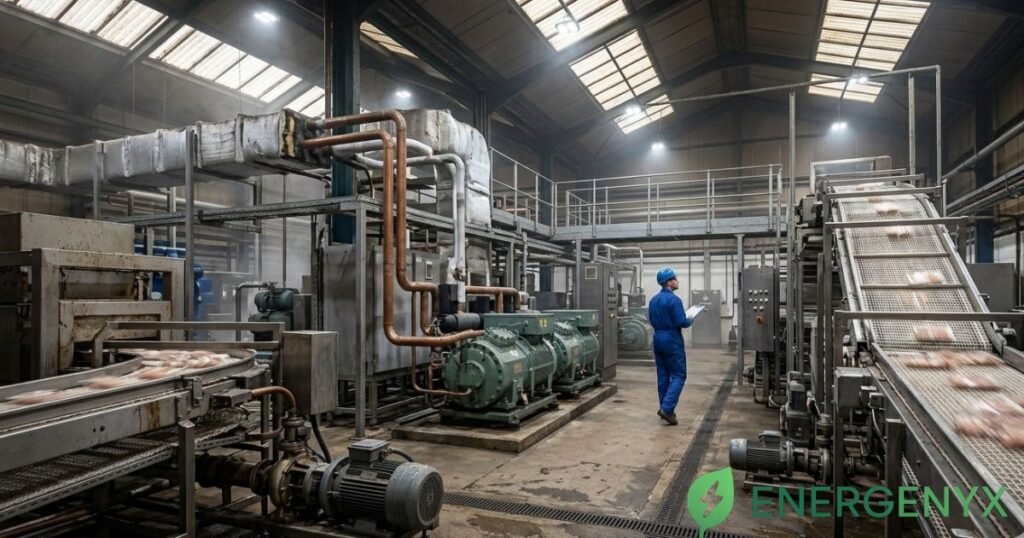
Several factors can influence how much electricity a business uses.
1. Size of the Premises
Larger premises generally require more lighting, heating, cooling and equipment.
However, floor area alone doesn’t determine electricity consumption.
The activities taking place inside the building can be even more important.
2. Operating Hours
A business operating eight hours per day will generally have a different electricity profile from one operating 24 hours a day.
Longer operating hours can mean:
- More lighting
- Longer equipment operation
- More heating or cooling
- Greater refrigeration usage
- More IT equipment running
3. Number of Employees
More employees can increase electricity consumption through additional:
- Computers
- Monitors
- Lighting requirements
- Kitchen equipment
- Heating and cooling demand
- Office equipment
However, employee numbers alone aren’t a reliable measure of electricity consumption.
4. Equipment
Electrical equipment can have a major effect on consumption.
Energy-intensive equipment may include:
- Industrial machinery
- Refrigeration
- Electric ovens
- HVAC systems
- Compressors
- Servers
- Pumps
- Motors
Understanding which equipment uses the most electricity can help businesses identify potential savings.
5. Heating and Cooling
Heating and cooling can represent a significant portion of electricity consumption, particularly in buildings using electric heating or air conditioning.
Consumption can vary considerably throughout the year because of changing temperatures.
6. Lighting
Lighting is another important source of electricity consumption.
Older lighting systems can consume more electricity than modern efficient alternatives.
Businesses with large retail spaces, warehouses or production facilities may therefore have substantial lighting loads.
7. Refrigeration
Businesses such as:
- Restaurants
- Supermarkets
- Food manufacturers
- Hotels
- Convenience stores
may use significant amounts of electricity for refrigeration.
Refrigeration equipment can operate continuously, making its efficiency particularly important.
How Operating Hours Affect Electricity Consumption
Operating hours have a direct effect on when electricity is used.
Consider two businesses:
Business A:
Open 9am–5pm, Monday to Friday.
Business B:
Open 24 hours a day, seven days a week.
Even if both businesses occupy similar-sized premises, their electricity consumption can be very different.
The second business has substantially more operating hours during which lighting, equipment, heating, cooling and other systems may be running.
This is one reason businesses should look at their actual consumption profile rather than relying solely on generic industry averages.
Peak vs Off-Peak Electricity Consumption
Businesses don’t necessarily consume electricity at a constant rate.
Consumption may rise during certain periods.
For example, a manufacturing facility might have:
- Low overnight usage
- High production demand during the day
- Lower demand during breaks
- Increased demand during certain production cycles
Understanding these patterns can be particularly valuable for businesses with detailed metering data.
It can help them identify when their highest electricity demand occurs and whether changes to operating practices could reduce consumption or improve efficiency.
What Is Half-Hourly Business Electricity Consumption?
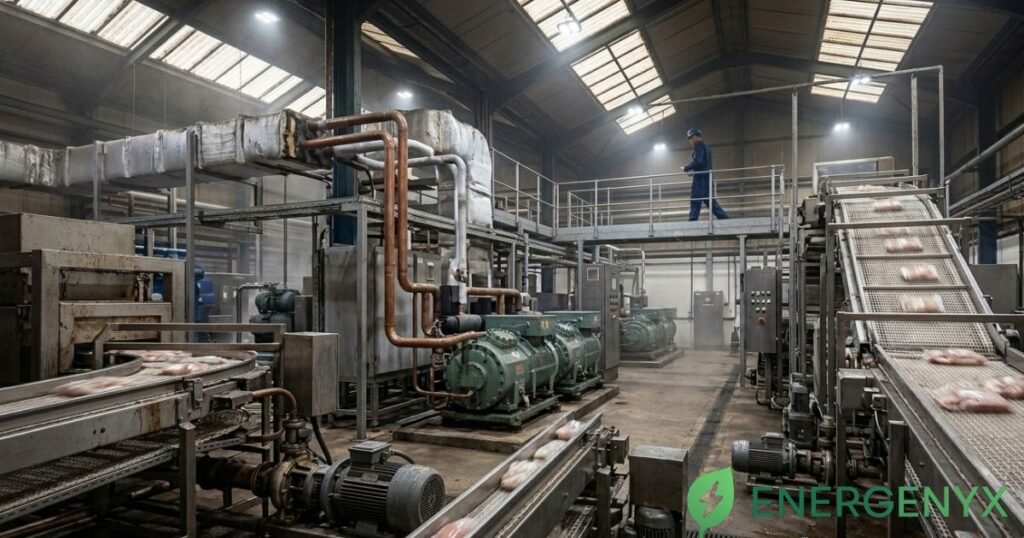
Businesses with half-hourly metering can receive consumption data in 30-minute intervals.
This creates a much more detailed electricity usage profile.
Instead of simply knowing:
“We used 100,000 kWh this year.”
a business can examine how that consumption was distributed throughout the day and across different periods.
This can be useful for:
- Energy management
- Procurement
- Budgeting
- Identifying unusual consumption
- Demand analysis
- Efficiency improvements
For larger energy users, detailed consumption information can be particularly valuable. For more detials, Elexon is a strong source for explaining how electricity consumption data is used within Great Britain’s electricity market.
How to Calculate Business Electricity Consumption
The basic calculation is straightforward.
Electricity Consumption = Power × Time
For example:
A 5 kW machine operates for 4 hours.
5 kW × 4 hours = 20 kWh
If several machines operate throughout the day, their consumption can be added together to estimate total usage.
However, real-world electricity consumption can be more complicated because equipment doesn’t always operate continuously at its maximum rated power.
For accurate business energy analysis, actual meter data is generally more useful than theoretical calculations alone.
How to Find Your Business’s Electricity Consumption
The easiest place to start is your electricity bill.
Look for information showing:
- Previous meter reading
- Current meter reading
- Electricity consumption
- Billing period
- kWh usage
You can also review historical bills to identify trends.
If your business has more advanced metering, you may have access to more detailed consumption data.
Your electricity supplier or energy-management system may provide additional information depending on your setup.
Why Businesses Should Track Electricity Consumption
Tracking consumption can help businesses understand where their money is going.
Regular monitoring can reveal:
Increasing Consumption
Your business may be using more electricity than in previous periods.
Unexpected Usage
Consumption may increase when operating hours or equipment haven’t changed.
Seasonal Trends
Electricity usage may rise during periods of increased heating or cooling demand.
Equipment Problems
An unexpected increase could indicate inefficient or malfunctioning equipment.
Savings Opportunities
Consumption data can reveal areas where electricity usage could potentially be reduced.
How to Reduce Business Electricity Consumption
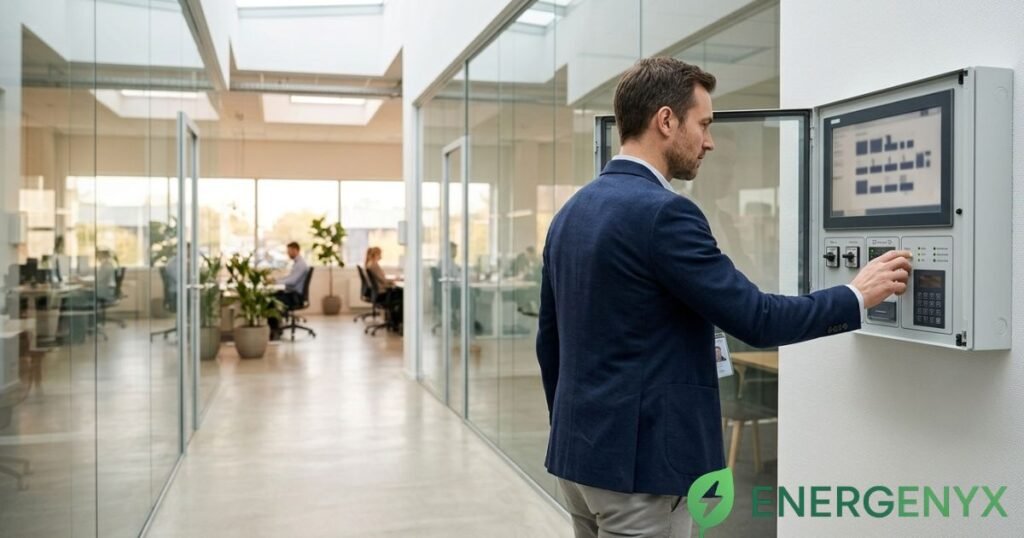
Reducing electricity consumption doesn’t necessarily require major investment.
Businesses can start with relatively simple changes.
1. Switch Off Unnecessary Equipment
Equipment left running outside operating hours can create unnecessary consumption.
Where appropriate, establish shutdown procedures.
2. Improve Lighting Efficiency
Replacing inefficient lighting with modern LED alternatives can reduce electricity consumption.
Businesses should also consider:
- Occupancy sensors
- Timers
- Daylight controls
- Zonal lighting
3. Improve Heating and Cooling Controls
Review heating and cooling schedules to ensure systems aren’t operating unnecessarily.
For example, avoid heating or cooling empty premises unless required for operational reasons.
4. Maintain Equipment
Poorly maintained equipment can operate less efficiently.
Regular maintenance can help businesses identify problems before they become more expensive.
5. Monitor Consumption
You can’t effectively manage what you don’t measure.
Regularly reviewing electricity consumption can help identify unusual patterns and opportunities for improvement.
6. Review Operating Schedules
Some businesses may be able to adjust when certain equipment operates.
However, any changes should be based on operational requirements and shouldn’t compromise productivity or safety.
How Meter Data Can Help Reduce Electricity Consumption
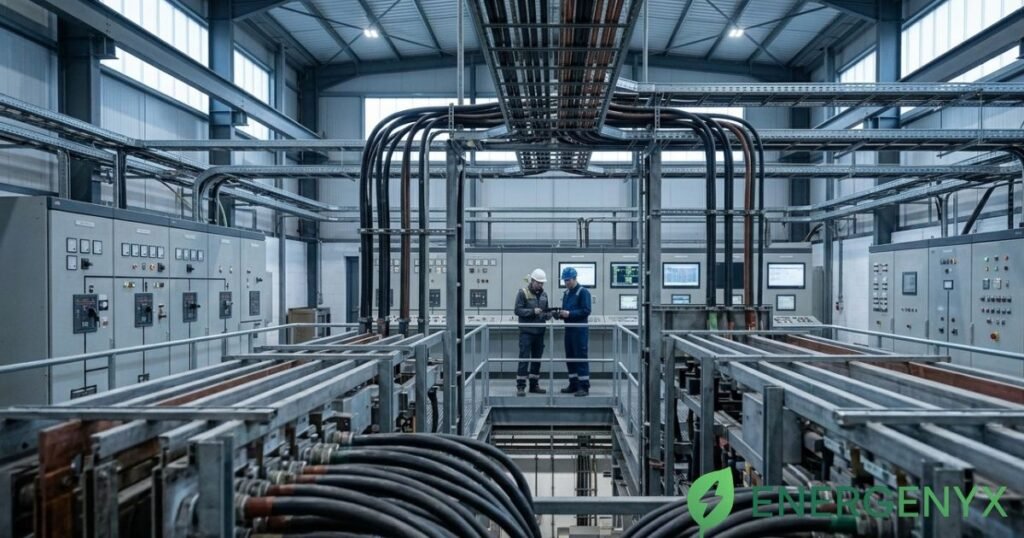
Your business electricity meter provides the foundation for understanding electricity usage.
For businesses with detailed consumption data, it may be possible to identify:
- High-consumption periods
- Overnight usage
- Weekend consumption
- Seasonal patterns
- Equipment-related demand
- Unexpected increases
For example, if a business discovers that electricity consumption remains unusually high after employees have left the premises, it can investigate which systems are still operating.
This can lead to practical energy-saving opportunities.
Business Electricity Consumption and Energy Costs
Electricity consumption is one of the most important factors influencing a business’s energy expenditure.
A simple way to think about it is:
Higher consumption × electricity pricing = higher electricity expenditure
However, business electricity bills can include more than the cost of the electricity itself.
Depending on the contract and supply arrangements, businesses may also encounter:
- Unit charges
- Standing charges
- Network-related costs
- Government-related costs
- Taxes
- Other applicable charges
This is why businesses should consider their total electricity costs, rather than looking at consumption in isolation.
Business Electricity Consumption and Procurement
Understanding consumption is particularly important when businesses review their electricity procurement strategy.
Before requesting or comparing quotations, businesses should ideally understand:
- Annual consumption
- Meter type
- Historical usage
- Operating patterns
- Contract end date
- Current electricity rates
- Standing charges
A supplier or commercial energy broker can use relevant information to better understand the business’s requirements.
For larger businesses, detailed consumption data can play an even more important role in procurement.
Can Reducing Electricity Consumption Reduce Business Energy Costs?
Potentially, yes.
Reducing unnecessary electricity usage means the business requires less electricity.
However, the amount a business saves depends on its electricity pricing and other charges.
For example, reducing consumption by 10% doesn’t necessarily mean the entire electricity bill will fall by exactly 10%, because some charges may be fixed or calculated differently.
This is why businesses should look at both:
Consumption reduction
and
Electricity contract pricing.
Reducing waste while also reviewing your electricity contract can provide a more comprehensive approach to managing energy costs.
Business Electricity Consumption When Moving Premises
Moving to a new commercial property can significantly change electricity consumption.
For example, a business moving from a small office to a larger premises may experience increased usage because of:
- Larger floor area
- Additional lighting
- More employees
- Longer operating hours
- Additional equipment
- Heating and cooling requirements
Before moving, estimate how your new premises could affect electricity consumption.
You should also record the meter reading when taking responsibility for the new property.
How to Compare Your Business’s Electricity Consumption
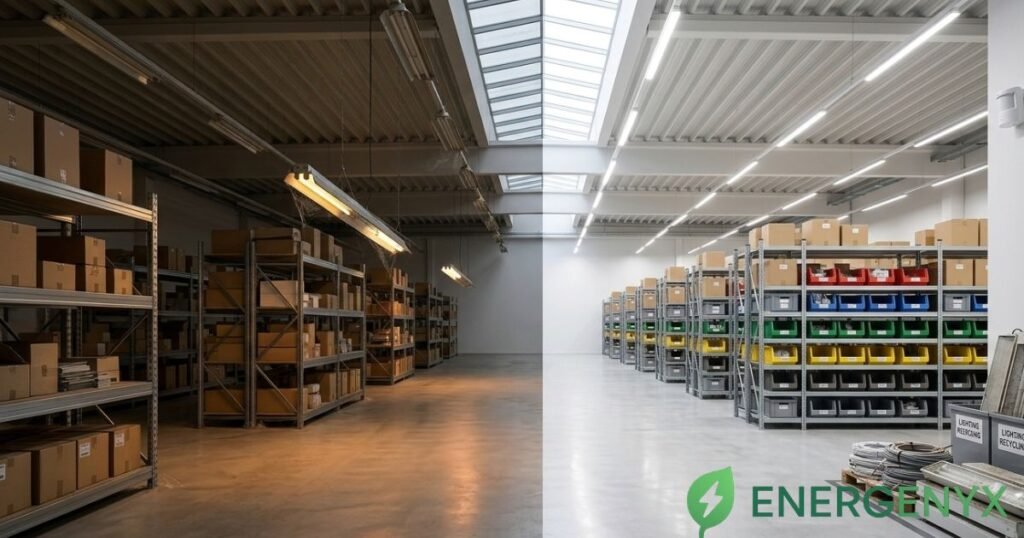
Comparing business energy consumption over time can provide useful insights.
You could compare:
Month vs Month
Compare the same month across different years.
Year vs Year
Compare annual consumption.
Peak vs Off-Peak
Understand when electricity usage is highest.
Before vs After Efficiency Improvements
Measure whether an energy-saving project actually reduced consumption.
Consumption vs Business Activity
For some businesses, it can be useful to compare electricity usage with production, sales, occupancy or operating hours.
This can provide a more meaningful performance indicator.
Business Electricity Consumption Per Employee
Some businesses attempt to measure electricity consumption per employee.
For example:
Annual electricity consumption ÷ number of employees
This can provide a simple internal benchmark.
However, it shouldn’t be treated as a universal measure of efficiency.
A factory and an office may have the same number of employees but dramatically different electricity requirements.
For many businesses, metrics such as kWh per square metre, kWh per unit produced or kWh per operating hour may be more meaningful.
The best metric depends on the type of business.
Business Electricity Consumption Per Square Metre
Another potential measurement is electricity consumption per square metre.
The basic calculation is:
Annual electricity consumption ÷ floor area
For example, if a building uses 100,000 kWh annually and has a floor area of 5,000 square metres:
100,000 ÷ 5,000 = 20 kWh/m² per year
This can provide a useful internal benchmark.
However, businesses should compare similar types of buildings and operations rather than assuming one benchmark applies to every commercial property.
Why Business Electricity Consumption Can Change
Electricity usage can increase or decrease for many reasons.
Common causes include:
- Business expansion
- New equipment
- Longer operating hours
- Additional employees
- Changes in production
- Seasonal weather
- New premises
- Increased refrigeration
- Heating or cooling requirements
- Equipment faults
- Changes in business operations
If your electricity consumption changes significantly, investigate the reason rather than automatically assuming that electricity prices are responsible.
What to Do If Your Electricity Consumption Suddenly Increases
If you notice an unexpected increase:
Step 1: Check the Meter
Make sure the reading is accurate.
Step 2: Compare Previous Bills
Look at consumption over several months.
Step 3: Check Operating Hours
Has the business been open longer?
Step 4: Check Equipment
Have new machines, appliances or systems been introduced?
Step 5: Check Heating and Cooling
Weather and HVAC usage can have a major impact.
Step 6: Investigate Unusual Consumption
Look for equipment operating outside normal business hours.
Step 7: Contact Your Supplier if Necessary
If the figures appear incorrect or you suspect a metering or billing issue, contact your electricity supplier.
Business Electricity Consumption Checklist
Before reviewing your electricity contract, gather:
- Annual electricity consumption
- Monthly electricity usage
- Current meter reading
- Meter type
- MPAN
- Current electricity supplier
- Current unit rate
- Standing charge
- Contract end date
- Operating hours
- Major electricity-consuming equipment
- Historical electricity bills
Having this information available can make it easier to understand your energy requirements and compare business electricity options.
Frequently Asked Questions
How much electricity does an average business use?
There is no single average that accurately represents every business. Consumption depends on factors such as premises size, industry, operating hours, equipment and heating or cooling requirements.
What is business electricity consumption measured in?
Business electricity consumption is generally measured in kilowatt-hours (kWh).
How can I calculate my business electricity usage?
You can calculate theoretical usage by multiplying equipment power in kilowatts by operating hours. However, actual meter readings and historical consumption data generally provide a more accurate picture of total business electricity usage.
Which businesses use the most electricity?
Energy-intensive businesses can include manufacturing facilities, large warehouses, supermarkets, hotels, restaurants and other businesses with significant machinery, refrigeration, heating or cooling requirements.
How can I reduce my business electricity consumption?
Businesses can consider improving lighting efficiency, switching off unnecessary equipment, optimizing heating and cooling, maintaining equipment and monitoring electricity consumption.
Does business size determine electricity consumption?
Not necessarily. A small business with energy-intensive equipment can use more electricity than a larger office with relatively low energy requirements.
Why has my business electricity consumption increased?
Possible reasons include longer operating hours, new equipment, business expansion, seasonal changes, increased heating or cooling, refrigeration demand or equipment problems.
What is half-hourly electricity consumption?
Half-hourly electricity consumption refers to electricity usage recorded in 30-minute intervals. This provides a more detailed view of when electricity is being consumed.
Can reducing electricity consumption lower my business electricity bill?
Reducing unnecessary consumption can reduce the amount of electricity purchased, although the overall reduction in your bill depends on your tariff and other charges.
Should I compare electricity consumption before switching supplier?
Yes before switching electricity supplier, understanding your historical consumption can help you provide more accurate information when reviewing electricity contracts and comparing supplier options.
Final Thoughts
Understanding business electricity consumption is an important part of managing commercial energy costs.
There is no universal amount of electricity that every business should use. An office, restaurant, shop, warehouse and manufacturing facility can have completely different energy profiles.
Instead of focusing only on an average figure, businesses should understand their own:
- Annual consumption
- Monthly usage
- Operating patterns
- Meter type
- Major electricity-consuming equipment
- Peak demand
- Seasonal changes
Regularly monitoring consumption can help businesses identify unusual usage and find opportunities to improve energy efficiency.
It can also provide valuable information when reviewing electricity contracts or preparing for energy procurement.
If you’re approaching the end of your current electricity contract, understanding your consumption is an important first step before comparing your options.
Review Your Business Electricity Options With Energenyx Now
Once you understand how much electricity your business uses, you can make a more informed assessment of your energy requirements.
Energenyx helps UK businesses explore their business electricity and energy options based on their individual circumstances.
Before reviewing your next contract, consider your:
- Annual electricity consumption
- Meter type
- Current unit rate
- Standing charge
- Contract end date
- Business operating requirements
Ready to review your business electricity options?
Explore your options with Energenyx and find an electricity arrangement suited to your business.